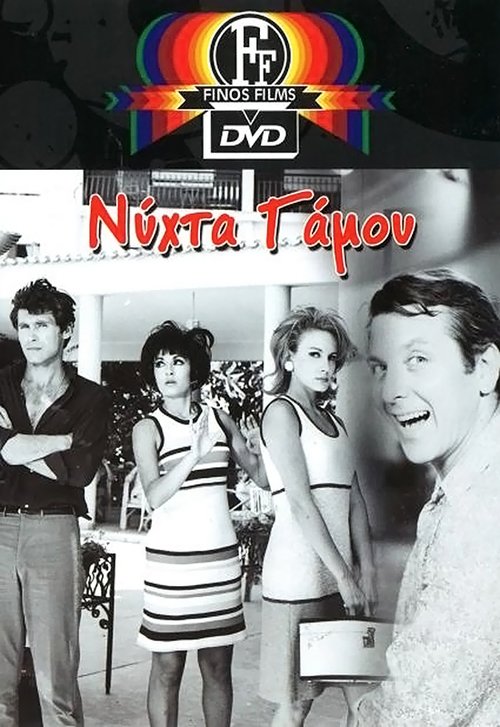
Wedding night
1967
No user ratings available yet
Representation score: 1.4 out of 10

Representation Score
Minimal
1961
Director
Kostas Hatzihristos, Apostolos Tegopoulos
Runtime
79 minutes
Average Rating
No ratings yetNew Showbiz Analysis
Captain for Tears is a product of its era, functioning as a traditional Greek comedy that adheres to the social and demographic norms of the early 1960s. The plot relies on a standard romantic misunderstanding, prioritizing conventional formulas over narrative complexity. The film lacks depth in reflecting multiple aspects of identity, focusing instead on a homogeneous cultural context. While it explores social dysfunction through a protagonist's drunken promises, it does so through a lens of comedic mishap rather than systemic critique. Ultimately, the work reinforces established hierarchies, particularly regarding gender and social obligations, making it a representative example of mid-century Mediterranean commercial cinema.
Category Breakdown
The film operates within a strictly straight-centered framework. There is no evidence of same-sex intimacy or non-binary gender identities in the narrative.
The story centers on male-driven actions and deception. The female lead is framed primarily through the male perspective, serving as a catalyst for the protagonist's development.
The production reflects the demographic homogeneity of 1961 Greece. The cast and setting focus on a singular ethnic identity without considering multiple layers of diversity.
The comedy relies on traditional social institutions like marriage and maritime hierarchy. These elements are treated as comedic mishaps rather than social critiques.
There is no evidence regarding the portrayal of physical or neurodivergent disabilities within the film's synopsis.
Present on Screen
Limited or Absent
Official Synopsis
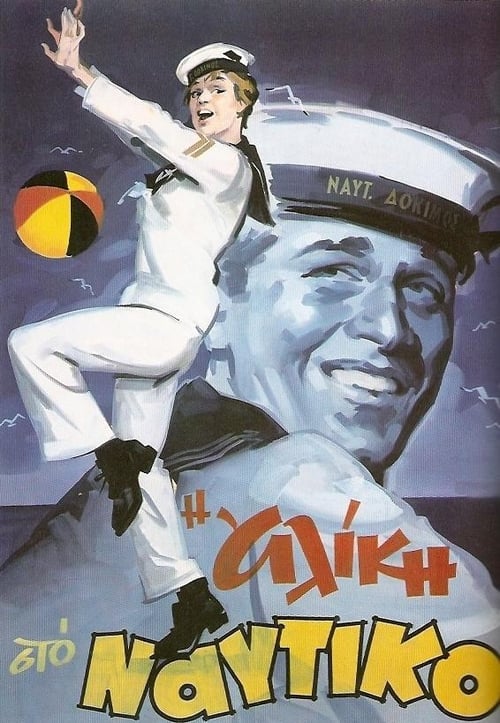
A mildly inebriated second mate promises to marry an unknown woman; however, when he sobers up, he sends a jovial midshipman to get him off the hook, convinced that she is unattractive. But, what happens if she is truly ravishing instead?
1967
1962

1962

1962
1959

1967
1966
1961
No reviews yet. Be the first to share your thoughts on this movie!
Use the rating form above to leave a star rating and optional review.