
Les inséparables
2008
No user ratings available yet
Representation score: 7.4 out of 10
Representation Score
Good
2010
Director
Dick Rude
Runtime
87 minutes
Average Rating
No ratings yetNew Showbiz Analysis
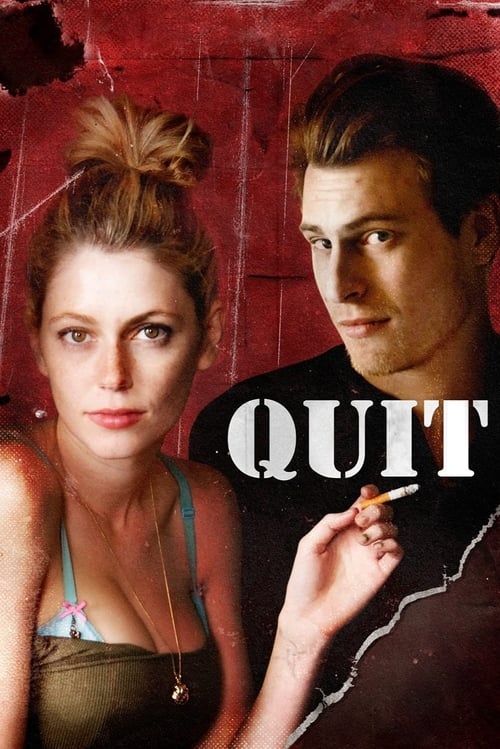
Quit is an intimate, character-driven drama that uses nicotine withdrawal as a metaphor for the volatility of romantic dependency. It succeeds in challenging the 'idealized romance' cliché by focusing on the gritty, psychological torture of addiction rather than a polished love story. However, the film lacks significant demographic breadth. Casting appears conventional, and the narrative does not explicitly engage with queer identities or diverse racial backgrounds. It functions more as a narrow psychological study than a work of systemic social critique. Ultimately, the film's strength lies in its realistic exploration of human fragility, even if it remains within traditional industry patterns regarding representation.
Category Breakdown
The film does not explicitly confirm queer narratives or non-cisgender identities. Intimacy is explored, but it does not clearly center LGBTQ+ experiences or challenge assumptions about straight relationships.
The story focuses on the power dynamics between a male and female protagonist. It avoids idealized romance clichés, offering a volatile depiction of gendered interactions through shared struggle.
The production follows a conventional casting model typical of its era. There is little evidence of diverse ethnic representation within the primary cast or supporting ensemble.
The desert setting provides an isolated environment away from structured social institutions. The narrative prioritizes psychological realism and individual emotional truth over traditional moral frameworks.
Addiction is presented as a central theme, touching on behavioral health. However, neurodivergence or physical disabilities are not clearly utilized as tools for character empowerment.
Present on Screen
Limited or Absent
Official Synopsis
When a twenty-something couple go away to the desert of Joshua Tree to quit smoking together their relationship is tested. We share the torture the couple put themselves through but learn smoking is a metaphor for their addictive relationship.
2008

2012

2017

2009
2017

2011
2011

2007
No reviews yet. Be the first to share your thoughts on this movie!
Use the rating form above to leave a star rating and optional review.