
Grozovye vorota
2008
No user ratings available yet
Diversity score: 2.6 out of 10
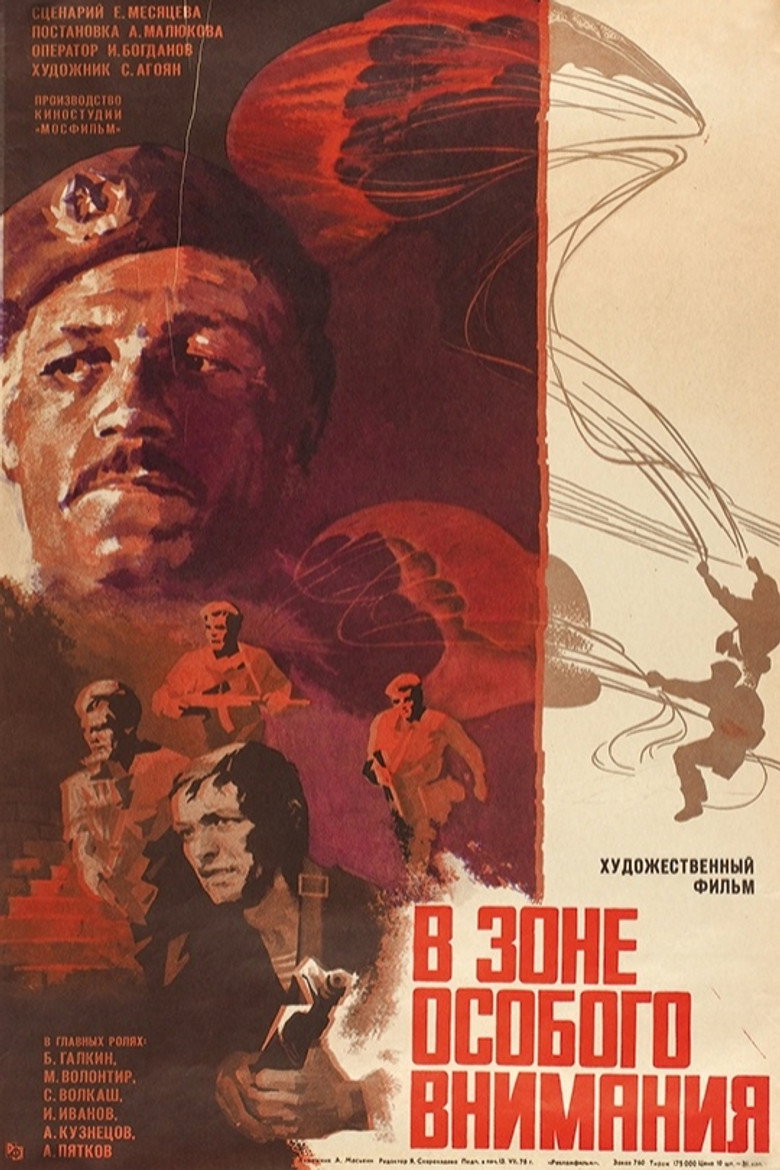
1978
Director
Andrey Malyukov
Runtime
98 minutes
Average Rating
No ratings yetSynopsis
Action film about the Soviet paratroopers.
Overall Score
Minimal
Category Breakdown
LGBTQ+ Representation
The film lacks LGBTQ+ characters or narratives. It adheres to the rigid, traditional social structures typical of 1978 Soviet action cinema.
Gender Representation
The story centers on masculine military competence and leadership. Women appear only in supporting roles, reinforcing traditional gender hierarchies rather than subverting them.
Racial & Ethnic Diversity
The cast reflects the demographic homogeneity of the Soviet military. The narrative emphasizes a unified, ethnically consistent national identity without diverse casting.
Religious & Cultural Diversity
The film prioritizes state patriotism and collectivism. It upholds traditional institutional structures and military values rather than challenging the status quo.
Disability Representation
Disability lacks agency and is likely used as a plot device to create tension. There is no nuanced exploration of neurodivergence or chronic illness.
Strengths
Areas for Improvement
AI Analysis
In the Zone of Special Attention is a traditional genre piece that prioritizes state-aligned collective identity. It functions as a product of its era, focusing on the archetypes of the Soviet military apparatus. The film offers minimal engagement with intersectional representation. Instead, it reinforces the social and institutional norms of 1978, centering on masculine military roles and a unified national identity. Ultimately, the narrative architecture is designed to uphold established hierarchies rather than disrupt them, resulting in a very low diversity profile.
2008
2008
1992
2021
2007
1997

1977
1985
2016
2003
2013
2022
No reviews yet. Be the first to share your thoughts on this movie!
Use the rating form above to leave a star rating and optional review.