
Chandni Chowk to China
2009
No user ratings available yet
Representation score: 1.3 out of 10
Representation Score
Limited
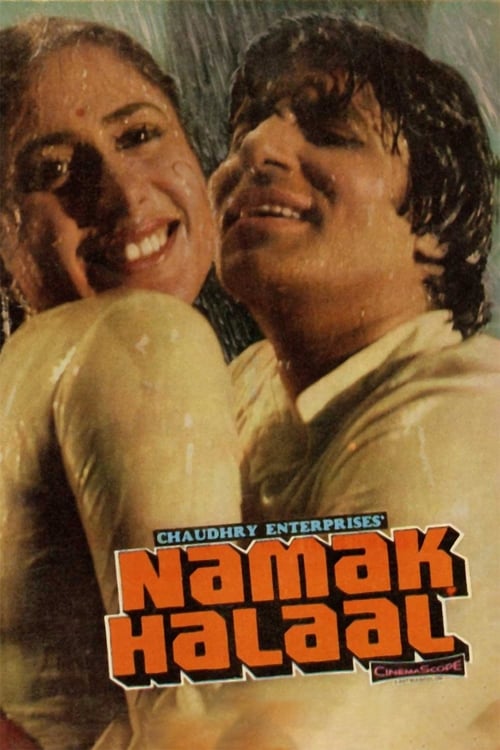
1982
Director
Prakash Mehra
Runtime
179 minutes
Average Rating
No ratings yetNew Showbiz Analysis
Namak Halaal is a quintessential product of 1980s commercial Indian cinema, centered around traditional masculine heroism. The plot revolves around the protagonist's rise from poverty to power, reinforcing established social hierarchies. While the film offers a nuanced look at socioeconomic struggles and ethical dilemmas, it remains firmly within a rigid class structure, focusing on individual morality rather than broader social issues. Ultimately, the film upholds traditional patriarchal structures, serving as a period-specific reflection of its cultural context.
Category Breakdown
The film follows traditional romantic structures and does not include any non-cisgender identities or same-sex relationships.
The narrative focuses on the male protagonist, with female characters primarily providing emotional support or domestic stability.
The cast is predominantly Indian, reflecting a localized perspective on Indian identity without blending diverse cultures.
The story examines the tension between traditional values and modern capitalism, emphasizing personal loyalty and honor over broader societal issues.
The film does not address visible or invisible disabilities and does not use disability as a means for character development or plot progression.
Present on Screen
Limited or Absent
Official Synopsis
Young Arjun is brought up by his Daddu (paternal grandfather). His Daddu decides for him to go to the city in search of a new job and life. While in the city he meets up with Bhairon who guides him into an interview in a 5-star hotel owned by Raja.
2009
1999
1981

2011

1998

1995
1980
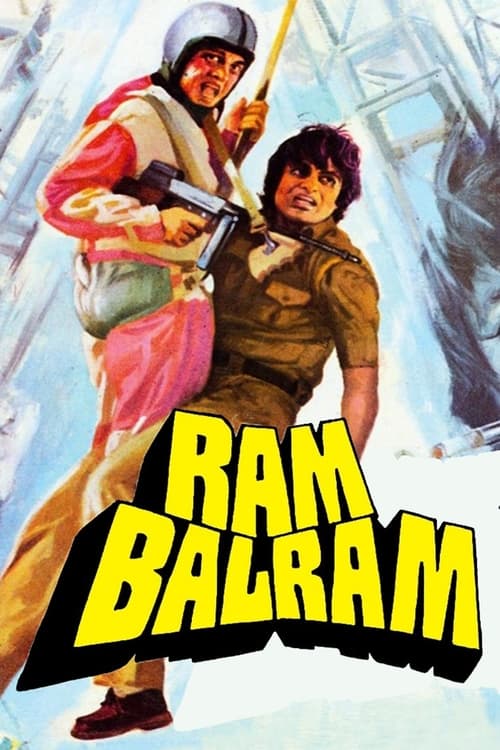
1980
No reviews yet. Be the first to share your thoughts on this movie!
Use the rating form above to leave a star rating and optional review.