Becoming Cary Grant
2017
No user ratings available yet
Representation score: 3.8 out of 10
Representation Score
Fair
2006
TV-14Director
Lynn Stevenson
Runtime
77 minutes
Average Rating
No ratings yetNew Showbiz Analysis
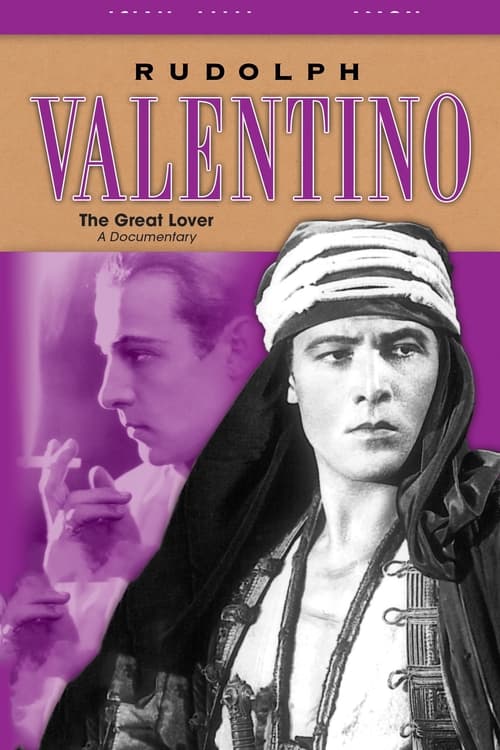
This documentary goes beyond a typical biography to critique the systemic biases of early Hollywood. By focusing on Valentino's struggles against racial and ethnic prejudices, the film offers a meaningful exploration of how colorism shaped career paths. It also challenges traditional masculine stereotypes by examining how Valentino's aesthetic appeal defied the era's tough male clichés, providing a complex view of gendered desirability. While the film does not explicitly address queer identity or disability, its focus on the intersection of ethnicity and stardom provides a sophisticated historical critique.
Category Breakdown
The film explores Valentino's status as a sex symbol, challenging the masculine norms of the 1920s. However, it does not delve deeply into queer identity or non-binary gender expressions.
The documentary disrupts early 20th-century gender stereotypes by examining how Valentino's perceived softness challenged the dominant male leadership model. It offers a nuanced look at evolving gendered desirability.
The film highlights the systemic barriers Valentino faced due to his dark skin and ethnic background. It critiques early Hollywood's racial hierarchies and how colorism affected his early roles.
The narrative examines how Hollywood categorized characters based on ethnic identity into hero or villain roles. It provides a sociopolitical look at the immigrant experience within the context of the American Dream.
The documentary provides no evidence or depiction regarding physical or neurodivergent disabilities.
Present on Screen
Limited or Absent
Official Synopsis
When a young Italian named Rudolfo Guglielmi found his way to America, he became Rudolph Valentino, Hollywood's first male sex symbol. But his meteoric rise was no easy journey, as evidenced by his earliest roles in which he was cast as a villain -- primarily because of his dark skin. Relying on rare archival film clips, this fascinating documentary offers a look at the man behind the icon, chronicling his career from start to tragic finish.
2017

2018
2020
2017

2004
2016
2019
2008
No reviews yet. Be the first to share your thoughts on this movie!
Use the rating form above to leave a star rating and optional review.