Brooklyn Bridge
1981
No user ratings available yet
Representation score: 6.3 out of 10
Representation Score
Limited
2011
TV-PGDirector
Stephen Ives
Runtime
112 minutes
Average Rating
No ratings yetNew Showbiz Analysis
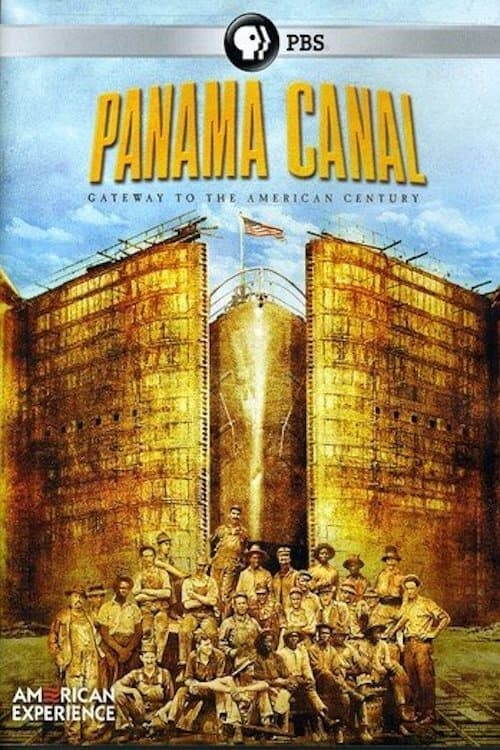
The film opens on the lush, hostile terrain of the Isthmus of Panama, a landscape the camera treats as a puzzle to be solved rather than a home to be respected. This 2011 PBS documentary, directed by Stephen Ives, sells the Panama Canal as a monument to American will, framing the subjugation of nature and the exploitation of labor as the price of global connectivity. The narrative arc moves from the chaotic, disease-ridden jungle to the sleek, ordered locks, a visual argument that equates industrial progress with moral superiority. The sold meaning is clear: American determination and technology conquer the "unearthly" forces of the tropics. The camera loves the steel and the water, reserving its slow, admiring looks for the machinery and the engineers who command it. The human cost—20,000 lives, mostly West Indian laborers imported for the heavy work—is acknowledged but quickly absorbed into the triumph. The workers are the hands; the engineers are the brains; the nation is the beneficiary. The ending seals this verdict with the American flag flying over the completed waterway, a final image that rewards the imposition of order on chaos. The film does not critique the colonial logic of the project; it celebrates it. The "dark side" of arrogance and power is mentioned, but it is ultimately subordinated to the "triumph of technology over nature." The last word belongs to the institution, not the individual, leaving the viewer with a sense of awe for the machine and a muted pity for the flesh that built it.
Category Breakdown
Absent. The narrative focuses on labor and engineering, with no depiction of same-sex intimacy or non-heteronormative identities.
Limited. The on-screen world is dominated by male engineers and laborers; women appear only as peripheral figures in camp settings.
Limited. West Indian laborers are named as the primary workforce, but their individual experiences are subsumed into the collective "human cost."
Traditional. The film frames American nation-building and technological conquest of nature as the primary moral and historical triumph.
Limited. Disease and physical exhaustion are central antagonists, but the bodies affected are treated as fuel for the project rather than subjects.
Present on Screen
Limited or Absent
Official Synopsis
On August 15th, 1914, the Panama Canal opened, connecting the world's two largest oceans and signaling America's emergence as a global superpower.
1981

2012
2008
2012
2021
2007

2011

2021
No reviews yet. Be the first to share your thoughts on this movie!
Use the rating form above to leave a star rating and optional review.