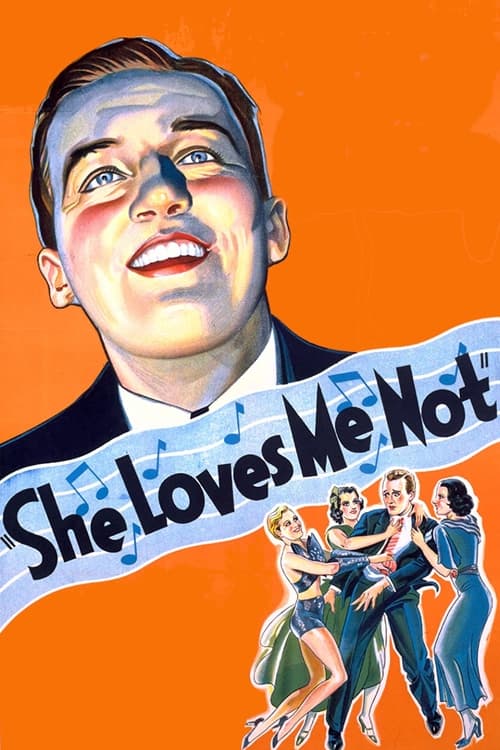
She Loves Me Not
1934
No user ratings available yet
Representation score: 1.9 out of 10
No Poster Available
Representation Score
Minimal
1930
PASSEDDirector
Ray Taylor
Runtime
20 minutes
Average Rating
No ratings yetNew Showbiz Analysis
Schoolmates is a product of its era, prioritizing comedic situationalism over diverse representation. While the protagonist's use of gender disguise offers a minor disruption of traditional gender presentation, the film remains rooted in the traditional social structures of 1930s cinema. The narrative relies on standard genre clichés, such as the 'notorious criminal' and collegiate farce, which do not seek to challenge social hierarchies. The focus remains on kinetic storytelling and situational misunderstandings within a homogeneous setting. Ultimately, the film lacks meaningful diversity, reflecting the demographic norms of early sound-era American comedies.
Category Breakdown
The film includes a gender masquerade cliché where Judy dresses as a boy to join a fraternity. This is used for comedic purposes rather than exploring LGBTQ+ identities or non-cisgender experiences.
Judy adopts male attire to navigate a male-dominated space, demonstrating a minor disruption of gender boundaries. However, this is framed through deception for situational comedy rather than challenging patriarchal structures.
The film appears to reflect the homogeneous casting norms of the 1930s, with no indication of a diverse cast or the inclusion of non-Anglo-Saxon characters.
The story focuses on the traditional American collegiate fraternity system, emphasizing social hierarchies and comedic misunderstandings rather than offering a critique of Western institutions or cultural norms.
The narrative contains no evidence of characters with visible or invisible disabilities.
Present on Screen
Limited or Absent
Official Synopsis
Judy (Ann Christy), dresses as a boy in order to attend the ceremony where "Cudgie" (Sumner Getchell) is being inducted into a fraternity at the college. The sign over the door at the fraternity has been moved, to fool her, to a building where, unknown to the frat boys, a notorious criminal is hiding.
1934

1940
1937
1938

1930
1938

1998

1936
No reviews yet. Be the first to share your thoughts on this movie!
Use the rating form above to leave a star rating and optional review.