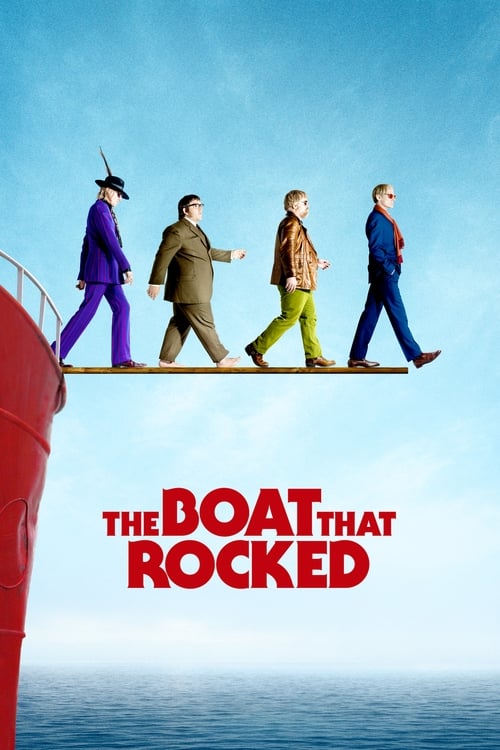
The Boat That Rocked
2009
No user ratings available yet
Representation score: 7.4 out of 10

Representation Score
Fair
2002
TV-14Director
Mark Waters
Runtime
100 minutes
Average Rating
No ratings yetNew Showbiz Analysis
Warning: Parental Advisory is a period drama centered on the 1985 Senatorial hearings regarding music censorship. The film's primary strength lies in its thematic focus on individual ability to act versus institutional authority. It frames the struggle of musicians against state-sponsored moral gatekeeping. While the film leans toward progressive, anti-authoritarian themes, it lacks specific details regarding characters who reflect more than one aspect of diversity. The narrative's impact relies heavily on how it portrays the diverse artists caught in the legislative crosshairs. Ultimately, the film serves as a critique of institutionalized moralism rather than a character-driven study of specific demographic identities.
Category Breakdown
The film examines the 1980s music scene, which often challenged traditional norms. However, specific LGBTQ+ characters are not explicitly detailed in the narrative overview.
The story pits creative artists against the rigid, patriarchal structures of the 1985 Senate. This setup suggests a challenge to traditional social hierarchies.
The 1980s music landscape was a site of significant racial diversity. The film's impact depends on how it represents the diverse voices targeted by censorship.
The narrative functions as an anti-institutional critique. It focuses on the fight against conservative morality and the imposition of singular values on art.
There is no evidence regarding the inclusion of characters with visible or invisible disabilities in this production.
Present on Screen
Limited or Absent
Official Synopsis
The story of the 1985 Senatorial hearings to place "Warning: Parental Advisory" labels on music albums with 'obscene' lyrics and themes - and the rockers who tried to fight it.
2009

1979

1982

1981

1994

2013

2019

1974
No reviews yet. Be the first to share your thoughts on this movie!
Use the rating form above to leave a star rating and optional review.