By the Cross
1913
No user ratings available yet
Representation score: 0.5 out of 10
Representation Score
Minimal
1928
NRDirector
Alan Crosland
Runtime
80 minutes
Average Rating
No ratings yetNew Showbiz Analysis
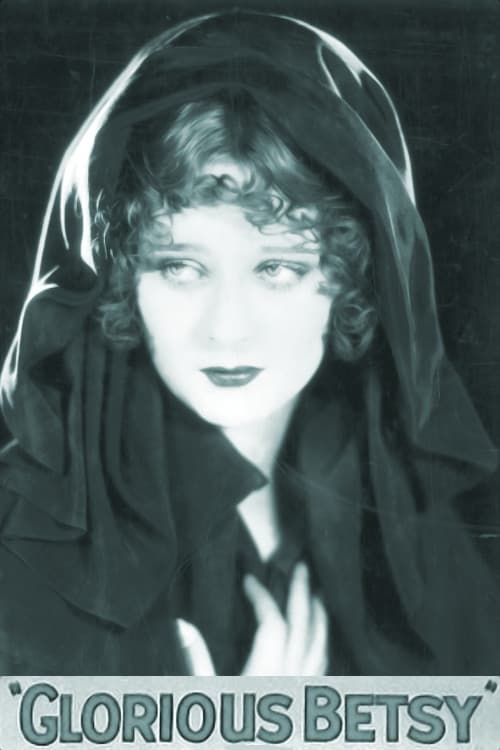
Glorious Betsy is a foundational example of early sound-era Western drama, reflecting the homogeneity of 1920s Hollywood. While it centers around a strong female protagonist, the film lacks multi-layered complexity. The story structure emphasizes the traditional social and racial hierarchies of early 20th-century American cinema. It highlights individual resilience within a conventional framework without challenging established cultural norms. Overall, the film is a product of its historical context, prioritizing genre clichés over the subversion of social hierarchies.
Category Breakdown
The film follows the straight-centered norms of the 1920s. There is no representation of diverse sexual orientations or gender identities.
Betsy stands out as a strong female character who shows resilience and ability to act in a frontier setting. However, she still fits within the traditional romantic roles of the time.
The cast is primarily white, typical of 1920s Hollywood Westerns. The film does not feature characters of color with significant roles or use color-blind casting.
The story delves into the economic hardships of frontier life. It follows the standard genre conventions of the era, reinforcing traditional values.
There is no inclusion of characters with visible or invisible disabilities. The film does not utilize such characters as narrative devices.
Present on Screen
Limited or Absent
Official Synopsis
Vitaphone production reels #2471-2478; third Warner Bros. feature film - the first being The Jazz Singer and the second Tenderloin - to include talking sequences, along with the by now usual Vitaphone musical score and sound effects. A copy of this film survives at the Library of Congress in Washington, D.C., but the sound disks are lost.
1913
1927
1928
1939
1918

1929
1917
1922
No reviews yet. Be the first to share your thoughts on this movie!
Use the rating form above to leave a star rating and optional review.