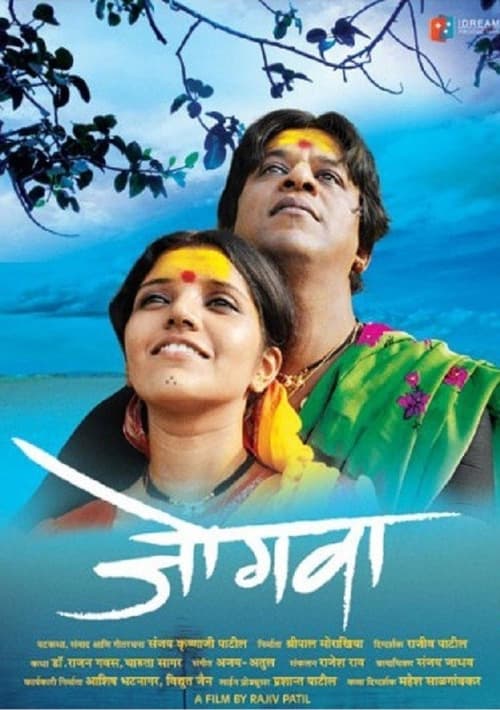
Jogwa - The Awakening
2009
No user ratings available yet
Representation score: 8.1 out of 10
Representation Score
Fair
2014
Director
Khyentse Norbu
Runtime
96 minutes
Average Rating
No ratings yetNew Showbiz Analysis
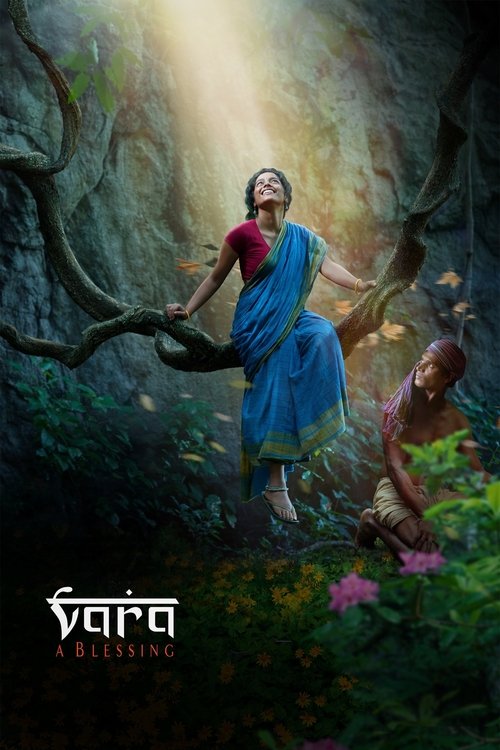
Vara: A Blessing is a meditative work that prioritizes Himalayan spiritualism over conventional Western narrative structures. By displacing the standard cinematic gaze with a non-Western ontological framework, it succeeds in offering a unique perspective. However, the film remains traditional in its social depictions, lacking engagement with contemporary identity politics, LGBTQ+ representation, or active gender subversion, which limits its score in those specific categories. Ultimately, the film's value lies in its regional authenticity, serving as a powerful tool for diversifying the cinematic landscape.
Category Breakdown
The film does not include any LGBTQ+ characters or explore non-traditional gender identities. Instead, it focuses on spiritual and existential themes.
Gender roles are portrayed within a traditional rural context. While the film avoids aggressive masculine dominance, it does not offer significant subversions of traditional gender hierarchies.
The film stands out by featuring a Bhutanese/Himalayan cast, disrupting Western-centric narratives with a deeply rooted, culturally specific portrayal.
The story critiques materialism using Tibetan Buddhist traditions, presenting these beliefs as universal philosophical questions rather than dogma.
The film does not feature any central characters with visible or invisible disabilities and does not use disability as a plot device.
Present on Screen
Limited or Absent
Official Synopsis
In a small Indian village, Lila is learning to dance from her mother, Devadasi, a Bharatanatyam dancer. She falls in love with low class Shyam, who dreams of becoming a sculptor. Shyam asks Lila to model for him as he sculpts a goddess, and the two become very close. However, their relationship is discovered by the village chief Subha, and Lila decides to sacrifice her happiness for her mother and Shyam.
2009

2005
2013

2002
1996

2018

2007

2004
No reviews yet. Be the first to share your thoughts on this movie!
Use the rating form above to leave a star rating and optional review.