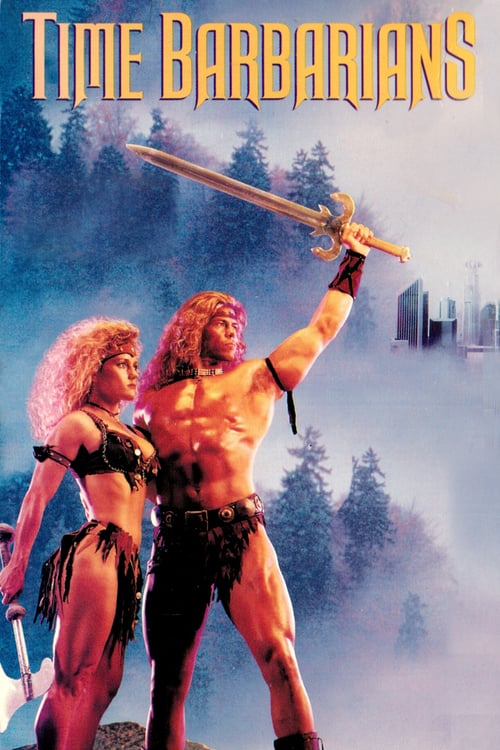
Time Barbarians
1990
No user ratings available yet
Diversity score: 2.8 out of 10

1983
PGDirector
Charles Band
Runtime
84 minutes
Average Rating
No ratings yetSynopsis
A seeker named Dogen rescues Dhyana after her father is murdered by the evil Jared-Syn. To avenge her father's death, Dogen must find Jared-Syn's hideout in the mysterious "Lost City". The only person who knows its location is an aging, burned-out seeker named Rhodes. Along the way, they must battle the hunter Baal and his Cyclopean minions for a final encounter with Jared-Syn.
Overall Score
Limited
Category Breakdown
LGBTQ+ Representation
The film follows a traditional hero-quest structure centered on familial vengeance. There is no evidence of non-cisnormative identities or same-sex intimacy within the narrative.
Gender Representation
Dhyana provides a central motivation through her father's murder, yet the male protagonist, Dogen, maintains primary agency. The film relies on conventional gender dynamics common to 1980s fantasy.
Racial & Ethnic Diversity
The speculative setting uses non-human species like Cyclopean minions as proxies for diversity. However, there is no specific evidence of intentional race-bent casting or a non-white majority.
Religious & Cultural Diversity
The story adheres to a classic good versus evil framework. It focuses on individual heroism and vengeance rather than exploring complex cultural or systemic critiques.
Disability Representation
The narrative provides no information regarding characters with visible or invisible disabilities. No specific instances of disability are mentioned in the character descriptions.
Strengths
Areas for Improvement
AI Analysis
Metalstorm: The Destruction of Jared-Syn is a standard 1980s space fantasy that prioritizes established genre tropes over intersectional storytelling. The plot centers on a traditional hero's journey, driven by individual vengeance and clear moral binaries. While the film introduces female motivation through Dhyana, the agency remains largely with the male protagonist. The use of fantastical species offers a departure from human archetypes, but the narrative lacks depth in representing specific marginalized identities or systemic social structures.
1990

1978

2009
1991

1992
1997
1983
1999
1986
2001
1983
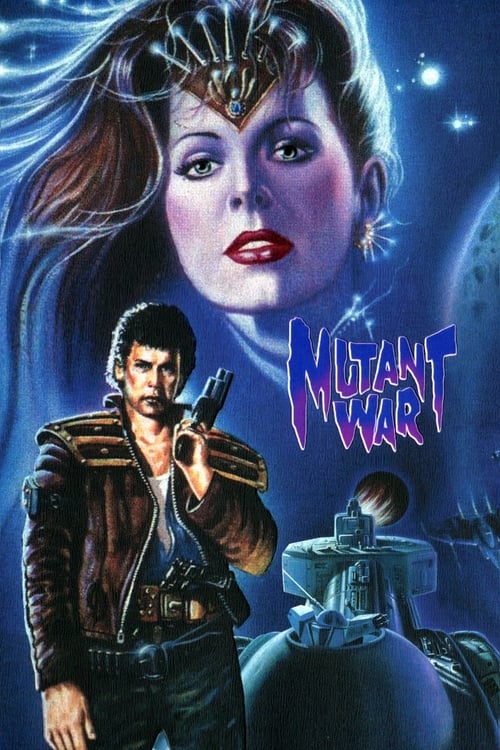
1988
No reviews yet. Be the first to share your thoughts on this movie!
Use the rating form above to leave a star rating and optional review.