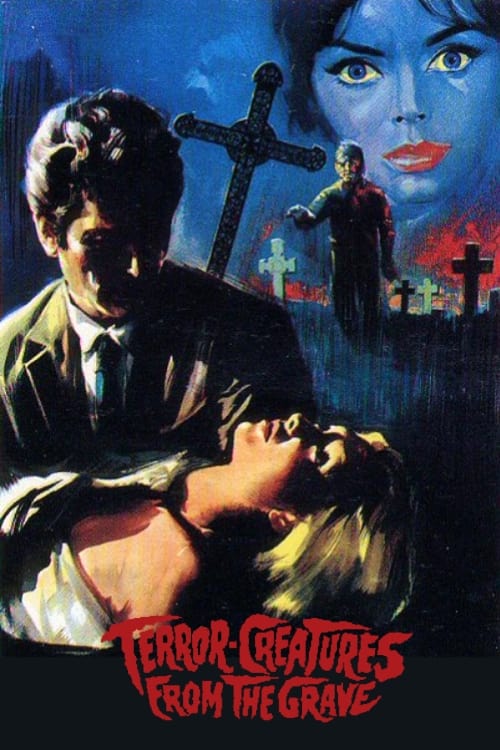
Terror-Creatures from the Grave
1965
No user ratings available yet
Diversity score: 2.6 out of 10
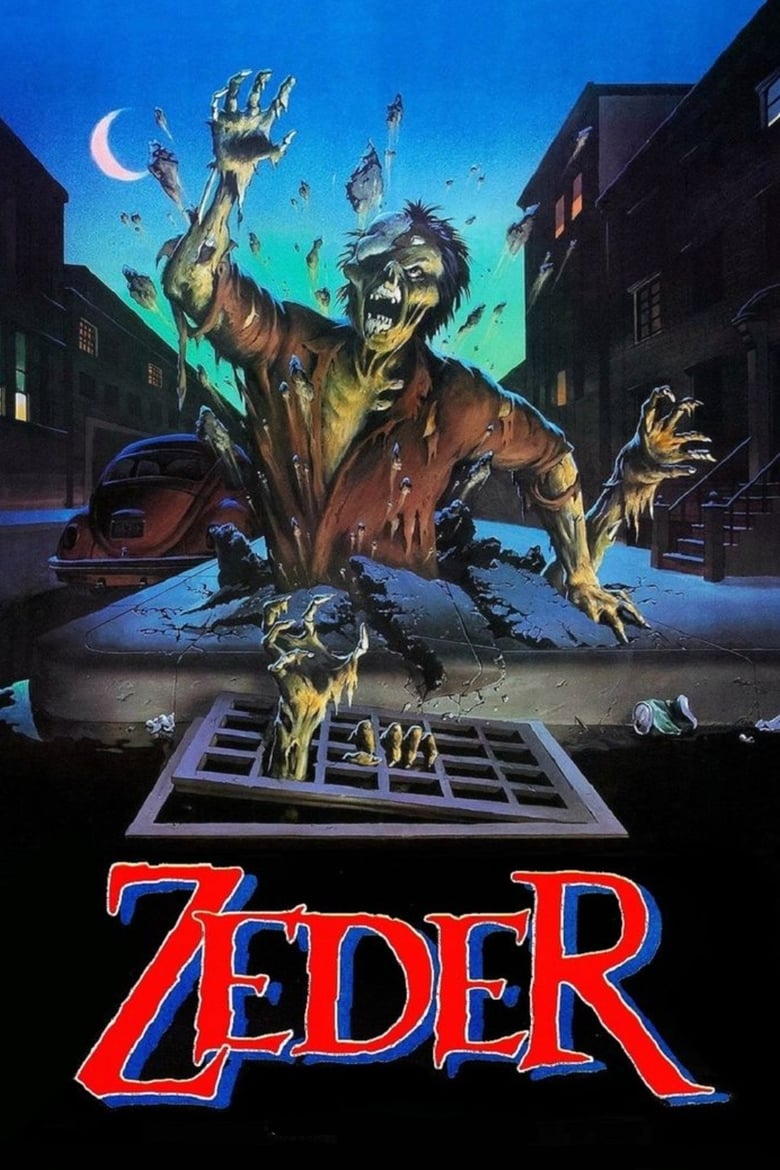
1983
RDirector
Pupi Avati
Runtime
98 minutes
Average Rating
No ratings yetSynopsis
A young journalist buys a used typewriter and notices some text still legible on the ribbon; he reconstructs the story of a scientist who discovered that some types of terrain have the power to revive the dead.
Overall Score
Limited
Category Breakdown
LGBTQ+ Representation
The film lacks any evidence of queer narratives or non-cisnormative identities. It operates within the heteronormative constraints typical of 1980s Italian horror.
Gender Representation
The story centers on a male journalist driving the investigation. Female characters appear primarily as subjects of mystery or in roles of vulnerability.
Racial & Ethnic Diversity
Set in a rural Italian village, the casting is culturally homogeneous. The film lacks diverse ethnic ensembles, focusing instead on a localized European milieu.
Religious & Cultural Diversity
The narrative relies heavily on local superstitions and religious undertones. It functions as a study of historical folklore rather than a critique of Western institutions.
Disability Representation
There is no evidence of characters with visible or invisible disabilities. The plot focuses on supernatural phenomena rather than lived experiences of disability.
Strengths
Areas for Improvement
AI Analysis
Pupi Avati’s film is a traditional piece of European folk horror that prioritizes atmosphere and genre conventions. The narrative is deeply rooted in a specific, localized setting that reflects the social structures of 1980s Italian cinema. The film lacks intentionality regarding modern intersectional frameworks. It adheres to established genre archetypes, focusing on supernatural mystery rather than identity-based exploration or the subversion of traditional hierarchies. Ultimately, the work is a culturally specific study of folklore. It remains homogeneous in its casting and narrative focus, offering little engagement with diverse racial, gender, or disability-related perspectives.
1965
1975
1943
2019
1971
2021
1982

1988

1989
2011
1972
1990
No reviews yet. Be the first to share your thoughts on this movie!
Use the rating form above to leave a star rating and optional review.