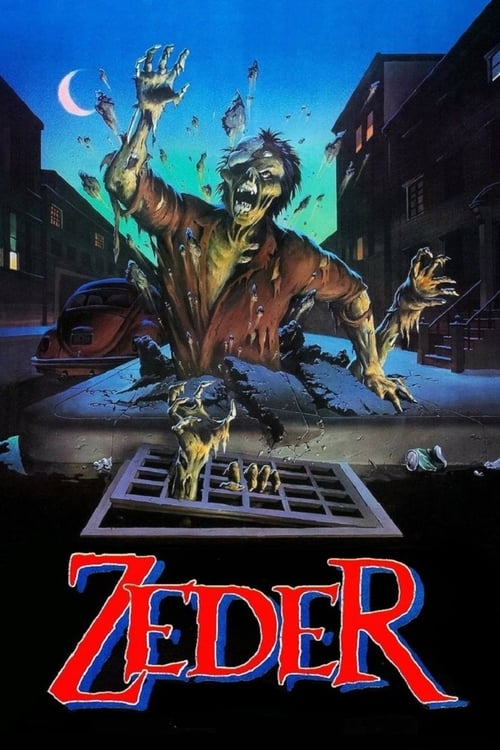
Revenge of the Dead
1983
No user ratings available yet
Diversity score: 2.8 out of 10

2019
Director
Pavol Liska, Kelly Copper
Runtime
90 minutes
Average Rating
No ratings yetSynopsis
Tourism is booming at the Pension Alpenrose. After a dying in an accident, Karin returns as one of the undead. In a cinema owned by a Nazi widow where the past is mourned, she brings the dead back to life.
Overall Score
Fair
Category Breakdown
LGBTQ+ Representation
The film lacks explicit depictions of LGBTQ+ identities or non-heteronormative relationships. The narrative focuses on death and a Nazi widow, which does not provide evidence of queer themes.
Gender Representation
Female agency is central through Karin, who returns from death to drive the plot. The presence of a widow owning a cinema suggests a subversion of traditional patriarchal authority.
Racial & Ethnic Diversity
The setting and historical context suggest a narrative rooted in European frameworks. There is no evidence of a non-white cast or intentional race-bending to disrupt casting norms.
Religious & Cultural Diversity
The film engages deeply with historical legacies and the mourning of oppressive systems. It challenges traditional morality by exploring the subjective, supernatural reality of the past.
Disability Representation
There is no mention of characters navigating physical, neurodivergent, or mental health conditions. No assessment can be made regarding disability representation in this work.
Strengths
Areas for Improvement
AI Analysis
The film operates as a niche, experimental horror piece that prioritizes thematic subversion over demographic variety. It succeeds in challenging historical and moral hierarchies through its central characters and setting. While the narrative architecture empowers female figures like Karin and the widow, it remains limited by a lack of explicit LGBTQ+ or racial diversity. The story is deeply embedded in a Western historical context. Ultimately, the film's strength lies in its cultural critique of historical trauma rather than its representation of diverse identities.
1983
2005
2020
2021
2020
2014
2014
1965

2021
2014
2019
2024
No reviews yet. Be the first to share your thoughts on this movie!
Use the rating form above to leave a star rating and optional review.