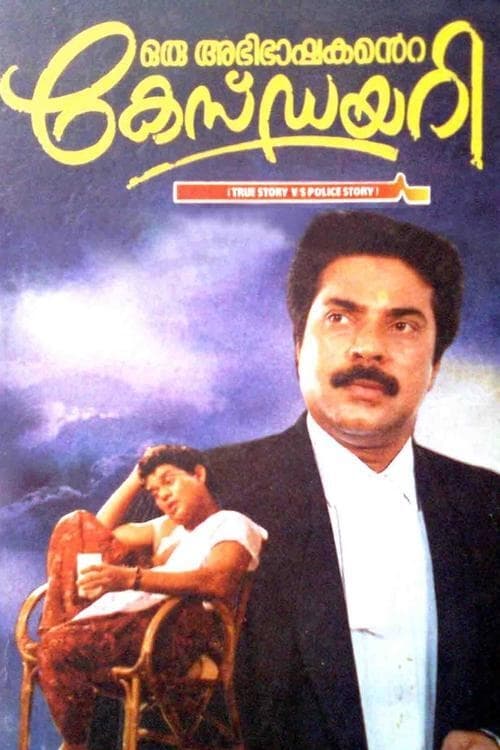
Oru Abhibhashakante Case Diary
1995
No user ratings available yet
Representation score: 3.0 out of 10
Representation Score
Minimal
1998
Director
Fazil
Runtime
165 minutes
Average Rating
No ratings yetNew Showbiz Analysis
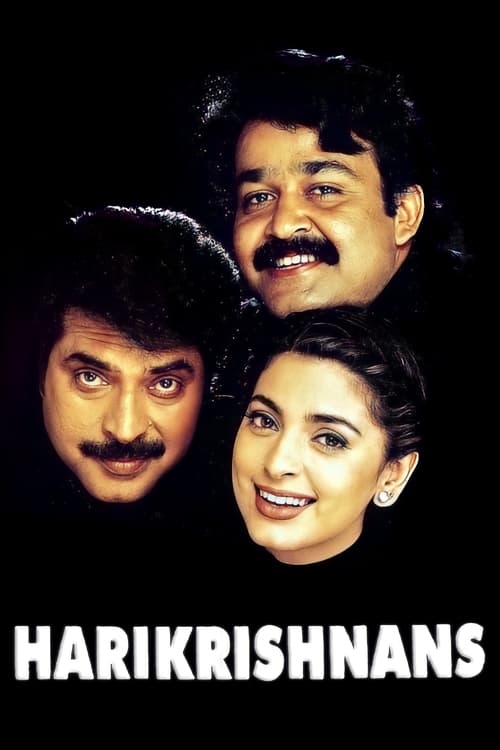
Harikrishnans exemplifies late-90s regional commercial cinema. It focuses on traditional romantic and social hierarchies, emphasizing established interpersonal dynamics. The film upholds cultural and gender norms of its time without engaging in systemic critiques or diverse identity portrayals. The narrative structure reinforces the social frameworks of its era, lacking multi-layered exploration.
Category Breakdown
The film follows traditional structures that assume everyone is straight or cisgender. There are no representations of non-binary genders or same-sex relationships.
The story is mainly driven by male characters. Lakshmi, while important emotionally, often depends on her relationships with male leads rather than having independent roles.
The film features a predominantly Malayali cast, offering authentic regional representation. It portrays a culturally specific and homogeneous middle-class Kerala society.
The film highlights personal devotion and traditional romantic ideals. It emphasizes social cohesion and standard domestic values without questioning institutional structures.
There are no visible or invisible disabilities featured in the film. Disability is not used as a narrative tool for character development.
Present on Screen
Limited or Absent
Official Synopsis
When Guptan, a college lecturer, gets killed, the police suspect Gabriel to be the murderer. A girl takes help from her brothers, who are famous lawyers, in proving his innocence.
1995

1983
2018
2004
2018
2018
1988
1989
No reviews yet. Be the first to share your thoughts on this movie!
Use the rating form above to leave a star rating and optional review.