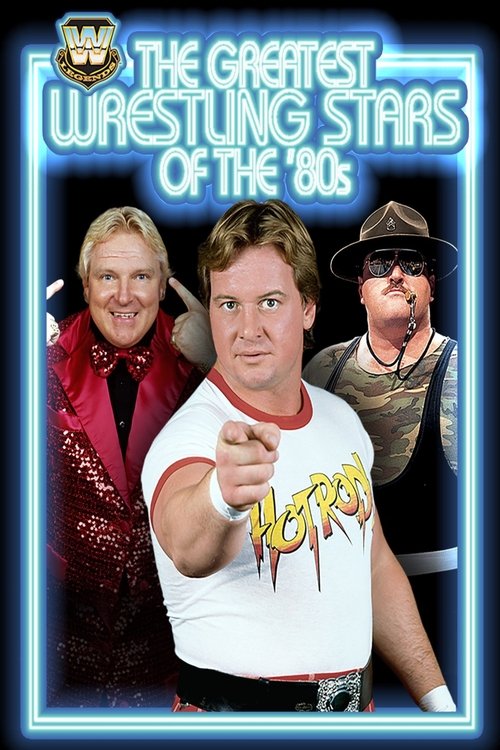
The Greatest Wrestling Stars of the '80s
2005
No user ratings available yet
Representation score: 1.8 out of 10
Representation Score
Minimal
1974
PG-13Director
James A. Westman
Runtime
95 minutes
Average Rating
No ratings yetNew Showbiz Analysis
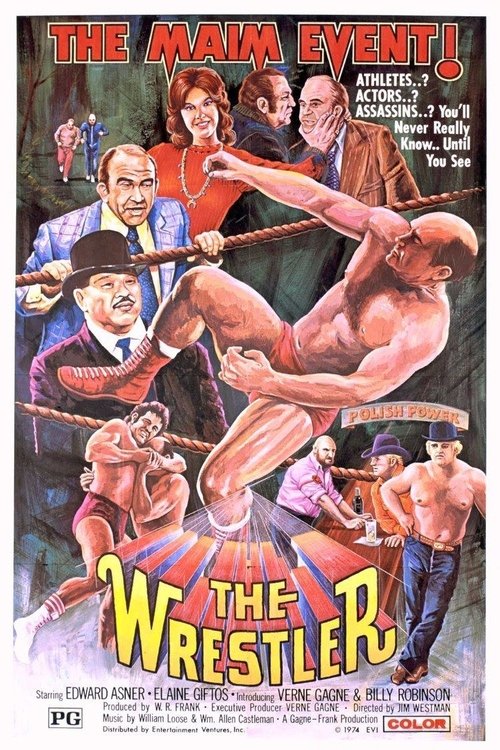
The Wrestler is a period-specific genre piece that prioritizes industry authenticity and masculine archetypes over social commentary. It functions as a traditional action-crime drama, focusing on the physical struggles of professional wrestling and organized crime. The film reinforces established social and gender hierarchies typical of the mid-1970s. The narrative structure is built around a hyper-masculine environment, leaving little room for perspectives that reflect multiple aspects of identity or the subversion of systemic norms. While the film provides a look at the wrestling world through legendary figures, it lacks engagement with diverse identities, resulting in a narrow demographic focus.
Category Breakdown
The film adheres to traditional assumptions that everyone is straight or cisgender. There is no evidence of characters with non-traditional gender identities or stories that challenge established social norms.
The story centers on a male-dominated hierarchy of wrestlers and mobsters. Women do not appear to have roles of high ability to act or challenge traditional gender hierarchies.
The cast reflects the demographic homogeneity common in 1970s American sports dramas. It focuses on established sporting hierarchies without evidence of diverse racial representation.
The narrative follows traditional Western storytelling clichés and moral binaries. It emphasizes individual merit and professional success within a capitalist framework.
There is no evidence regarding the portrayal of physical or neurodivergent disabilities within the film's narrative.
Present on Screen
Limited or Absent
Official Synopsis
Frank Bass (Ed Asner) is an honest guy trying to make a living in the cut throat world of professional wrestling, and he's gonna make it work - even if he dies trying! But first - he'll have to strong-arm his way through all the mobsters, gamblers, promoters and fight fixers and help his past-his-prime wrestler once again win a championship belt. Features appearances from real-life legendary wrestlers and AWA superstars Verne Gagne, Rick Flair, Superstar Billy Graham, Dusty Rhodes, Dick the Bruiser, Ray Stevens, Dory Funk Jr., Ken Patera, Billy Robinson, Dan Gable, Eddie Graham, Dick Murdoch, Vincent J. McMahon, and more.
2005

1985

2005

2019

2010
2002

1985

2004
No reviews yet. Be the first to share your thoughts on this movie!
Use the rating form above to leave a star rating and optional review.