
Sympathy for Mr. Vengeance
2002
No user ratings available yet
Representation score: 4.8 out of 10
Representation Score
Good
2009
Director
Maria Beatty
Runtime
92 minutes
Average Rating
No ratings yetNew Showbiz Analysis
Bandaged is a psychological drama that disrupts traditional domestic norms. By centering a queer romance and critiquing patriarchal control, the film moves beyond typical thriller clichés to explore identity and autonomy. While it excels at deconstructing the traditional family unit, it lacks racial and ethnic diversity, focusing on a homogeneous cast. The depiction of physical trauma provides a nuanced look at bodily autonomy, though it remains entwined with psychological distress.
Category Breakdown
The film centers on a passionate, forbidden romance between Lucille and Joan, which serves as a key plot driver. This relationship challenges the restrictive patriarchal environment and gives the characters significant roles in shaping the story.
Female characters navigate trauma and autonomy while questioning traditional hierarchies. Arthur, who holds medical authority, reveals a deep psychological instability through his obsession with a deceased woman.
The narrative focuses on a localized, homogeneous domestic unit. There is no evidence of racial blending or a non-white majority cast within the production.
The story critiques the sanctity of the nuclear family and medical authority, framing unconventional choices as necessary responses to oppressive, stagnant traditions. It highlights the need for change within rigid societal structures.
Lucille’s severe facial burns lead to a complex exploration of identity and bodily autonomy. However, the physical trauma is closely linked to psychological tension, potentially overshadowing the character's development.
Present on Screen
Limited or Absent
Official Synopsis
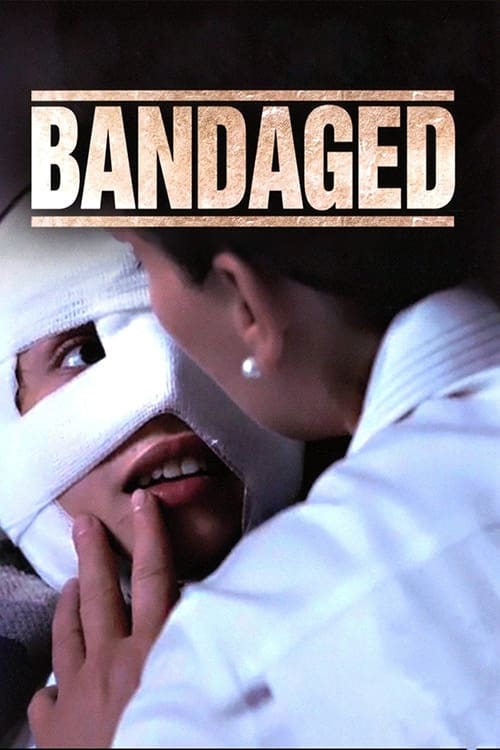
Since his wife's death, Arthur, a peculiar and severe surgeon, cloisters his teen daughter Lucille inside a strange mansion. Desperate, Lucille tries to commit suicide and ends up with her face completely burned and bandaged. Arthur, with the assistance of his aunt, prepares a weird skin graft in order to give back Lucille a face, a face that resembles his beloved and deceased wife. To take care of her, the father then hires Joan, an attractive nurse with a somber past. Lucille and Joan start a forbidden and passionate love affair.
2002
1960
2011
2005
2010
1999
2009
1996
No reviews yet. Be the first to share your thoughts on this movie!
Use the rating form above to leave a star rating and optional review.