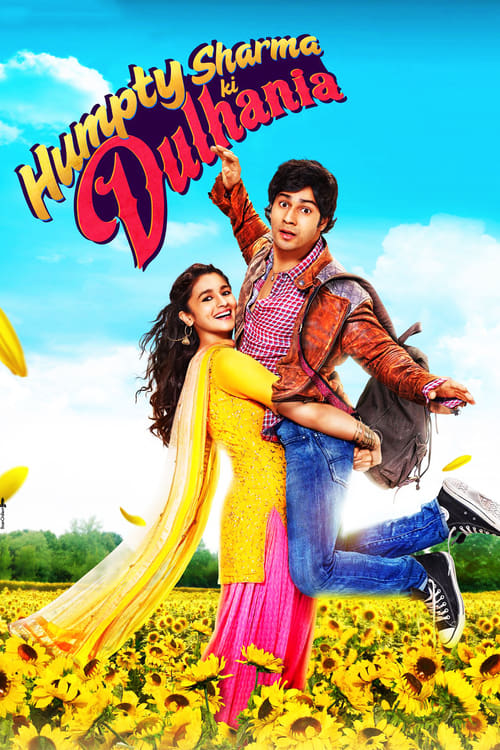
Humpty Sharma Ki Dulhania
2014
No user ratings available yet
Representation score: 2.2 out of 10
Representation Score
Limited
2012
Not RatedDirector
Mandeep Kumar
Runtime
126 minutes
Average Rating
No ratings yetNew Showbiz Analysis
The film functions as a conventional romantic comedy that leans heavily on established genre clichés. While it avoids radical subversion, it offers some character-driven progress through its female lead. The regional identity is a strength, providing a specific cultural backdrop through its focus on Punjabi and Haryanvi settings. However, the narrative structure remains firmly anchored in traditionalist values and straight-centered ideals. Ultimately, the film prioritizes romantic resolution and familial structures, limiting its ability to deconstruct the social hierarchies it depicts.
Category Breakdown
The film follows a strictly heterosexual storyline with no representation of LGBTQ+ identities or non-assuming gender matches what was assigned at birth characters.
Miny, a free-spirited tomboy, challenges traditional gender roles by orchestrating her own escape, but the story ultimately focuses on romantic resolution.
The film provides a localized cultural backdrop rooted in Haryana and Punjab, showcasing specific regional Indian identities and diverse socio-economic classes.
The narrative emphasizes traditional social structures, prioritizing parental authority and arranged marriage over progressive or secular critiques.
There are no visible or invisible disabilities depicted as central to the character arcs or the progression of the plot.
Present on Screen
Limited or Absent
Official Synopsis
In a quaint village of Haryana lives Miny, a free-spirited tomboy who instantly wins your heart with her bubbly personality. Her father, Bhatti, runs an auto-rickshaw business and is adamant to marry her off against her liking to Sunny. The male protagonist Viren, is a humble and ambitious rickshaw driver working for Miny's father. Bhatti, insecure about Viren's success, sells of all the rickshaws where Viren had carefully stashed his life savings. In an attempt to recover his money from Bhatti, Viren storms into Miny's engagement with fury. This gives Miny the perfect opportunity to escape her marriage and so she stages a kidnap. However, the kidnap goes all wrong and she and Viren land up in Viren's family mansion. Eventually, Miny's father arrives with the ransom that she had asked for and takes her back home. Back in Punjab, while she is being married off to Sunny...
2014

2007
1990
2011
1997

2011

2010
2017
No reviews yet. Be the first to share your thoughts on this movie!
Use the rating form above to leave a star rating and optional review.