
The Merry Widow
2007
No user ratings available yet
Representation score: 3.2 out of 10
Representation Score
Fair
1998
RDirector
Richard LaGravenese
Runtime
100 minutes
Average Rating
No ratings yetNew Showbiz Analysis
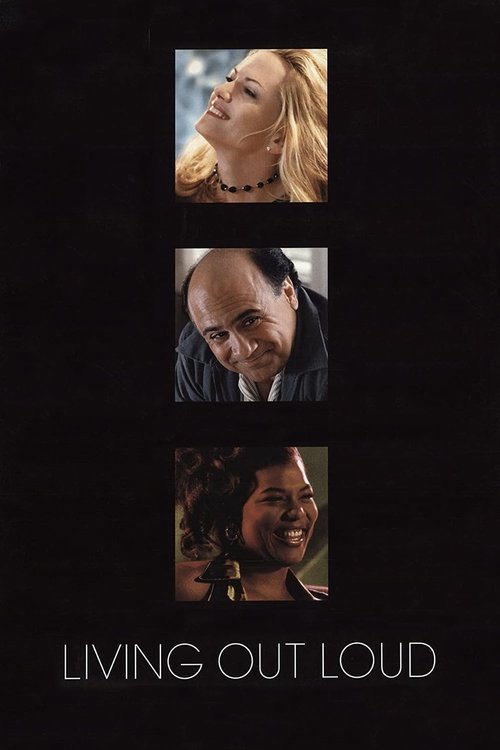
Living Out Loud excels in its sophisticated dismantling of traditional straight and cisgender norms. By focusing on a woman's sexual and emotional awakening, the film successfully replaces patriarchal structures with a fluid, female-centric ecosystem of empowerment. However, the film's impact is narrowed by its lack of multi-layered racial diversity. The setting remains a homogeneous, middle-class urban environment that misses opportunities to engage with broader ethnic perspectives. Ultimately, the work is a powerful study of identity construction. It trades traditional moral frameworks for a postmodern celebration of self-actualization and queer intimacy.
Category Breakdown
The film focuses on queer identity and same-sex intimacy as a catalyst for personal growth. It avoids tragic clichés, instead using characters like Maz to show a life lived outside traditional straight and cisgender norms.
The narrative challenges traditional hierarchies by emphasizing female autonomy and emotional strength. The protagonist transitions from a passive spouse to an active architect of her own liberated life.
The social landscape is predominantly white and middle-class. The lack of diverse racial representation limits the film's broader social commentary and keeps the setting largely homogeneous.
The story critiques rigid conventional family structures in favor of individualistic liberation. It celebrates personal truth and the deconstruction of traditional Western social institutions.
There are no prominent depictions of physical or neurodivergent disabilities that drive the plot or serve as central character traits.
Present on Screen
Limited or Absent
Official Synopsis
Judith Moore is suddenly single after discovering her husband of fifteen years, a successful doctor, has been having an affair with a younger woman. Judith stews, plans, plots and fantasizes, but she can't decide what to do with her life until she goes out to a night club to see singer Liz Bailey, who is full of advice on life and love. While out on the town, Judith is suddenly kissed by a total stranger, which opens her eyes to new possibilities... which is when she notices Pat, the elevator operator in her building.
2007
2004
1999
1999
2005

1989
1997
1988
No reviews yet. Be the first to share your thoughts on this movie!
Use the rating form above to leave a star rating and optional review.