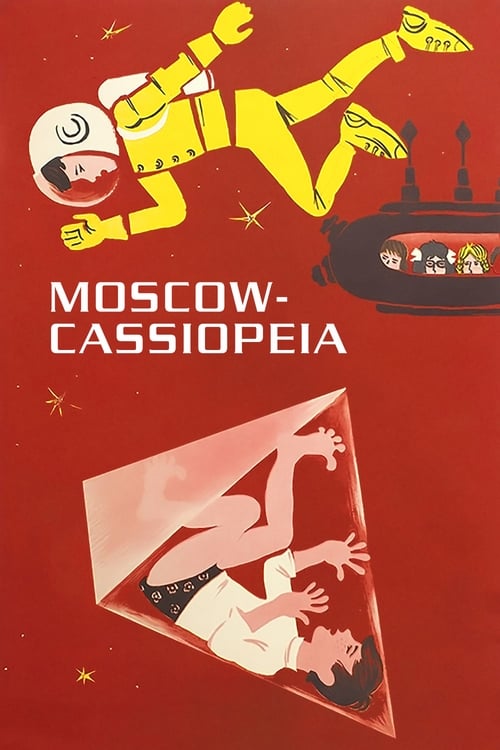
Moscow-Cassiopeia
1974
No user ratings available yet
Representation score: 3.9 out of 10

Representation Score
Good
1975
Director
Valentin Selivanov
Runtime
66 minutes
Average Rating
No ratings yetNew Showbiz Analysis
The film successfully disrupts traditional age-based hierarchies by placing adolescents in charge of a high-stakes mission. By focusing on a multi-ethnic trio, it reflects a broader regional identity. However, the representation remains somewhat functional rather than deeply nuanced. While gender and ethnic diversity are integrated into the core mission, the depiction of illness is used primarily as a plot catalyst. Ultimately, the film provides a meaningful look at youth ability to act and collective competence, even if it lacks multi-layered depth or explicit representation of underrepresented identities.
Category Breakdown
The film does not explicitly depict LGBTQ+ identities. The narrative centers on the shared mission and camaraderie among the young astronauts.
Sveta Ishenova is given equal importance and responsibilities alongside her male colleagues. This challenges traditional gender roles by placing a female character in a critical technical position.
The cast includes a non-Slavic perspective through Sveta Ishenova from Bukhara, reflecting the USSR's diverse geography. This avoids a homogenous group of protagonists by incorporating regional ethnic identities.
The story highlights collectivist ideals and group success over individual heroism. It portrays a future where state-sponsored scientific endeavors are central.
Illness serves as a plot device to remove adult authority. The Captain's quarantine allows the children to take charge and exercise their ability to act.
Present on Screen
Limited or Absent
Official Synopsis
Three youngsters have to take command of a space flight when their adult captain comes down sick and is forced to quarantine himself.
No reviews yet. Be the first to share your thoughts on this movie!
Use the rating form above to leave a star rating and optional review.