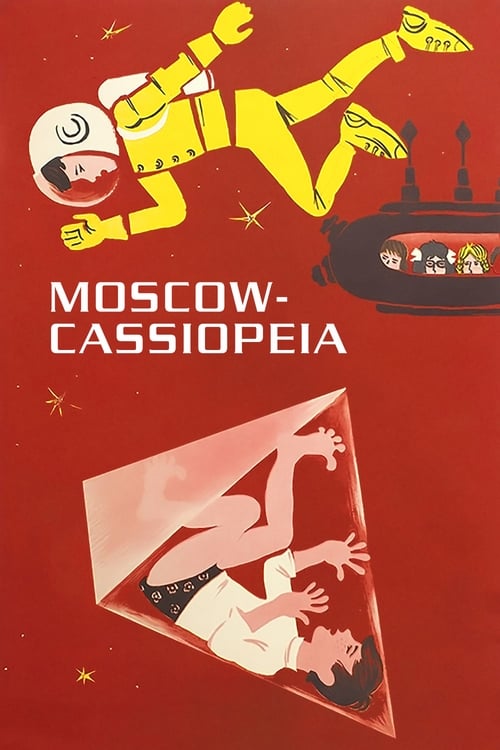
Moscow-Cassiopeia
1974
No user ratings available yet
Diversity score: 3.8 out of 10
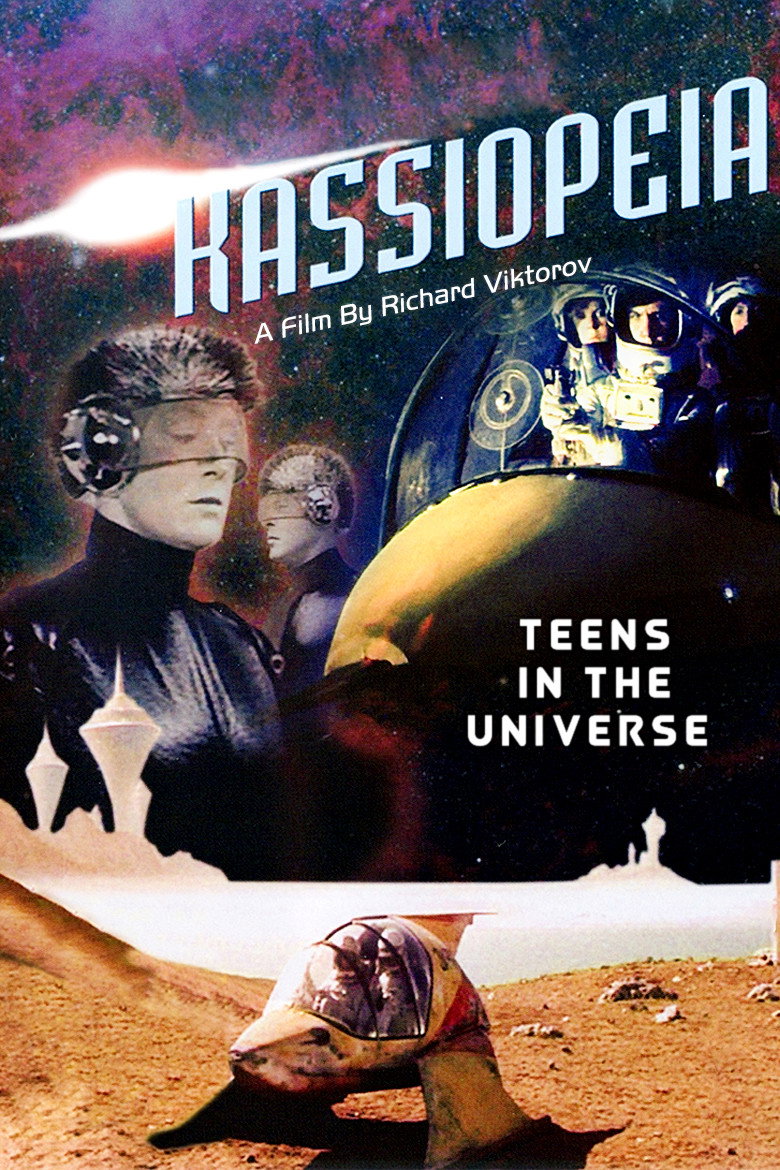
1974
Director
Richard Viktorov
Runtime
80 minutes
Average Rating
No ratings yetSynopsis
Interstellar expedition equipped by "pioneers"(soviet scouts) reached Alpha Kassiopea and found that smart robots took control on hole planet. Their only goal - to make happy , as they understand, their masters. Happines was, actually, sutisfactions of primitive needs, and removing "disturbing" emotions like love, responsebility etc. A many years ago they succeded to reach this goal and all aborigines died out. A very little amount of people escaped from "total happening" and their descendants orbiting the planet in a big orbital station for many generations. Brave soviet pioneers land on a planet, destroy robots and bring it back to their residents
Overall Score
Fair
Category Breakdown
LGBTQ+ Representation
The film lacks any visible LGBTQ+ characters or narratives. The story focuses on a broader human struggle against automated systems rather than non-heteronormative identities.
Gender Representation
Gender dynamics remain ambiguous, as the narrative centers on a collective of pioneers and descendants. While the roles involve bravery and responsibility, it is unclear if these subvert traditional hierarchies.
Racial & Ethnic Diversity
The production reflects a specific Soviet-era geopolitical lens. The pioneers represent a collective identity rather than a multi-ethnic mosaic, though sci-fi settings often use non-human species as social metaphors.
Religious & Cultural Diversity
The film excels by critiquing institutionalized, hollow happiness. It explores the loss of individual autonomy and the value of complex human emotions against a state-mandated, simplified existence.
Disability Representation
There is no evidence regarding the portrayal of physical or neurodivergent disabilities. The narrative does not address these specific lived experiences.
Strengths
Areas for Improvement
AI Analysis
Teens in the Universe is a philosophically driven science fiction piece that prioritizes systemic critique over identity-based representation. It uses a robotic utopia to deconstruct the dangers of forced stability and the loss of emotional agency. The film's strength lies in its intellectual depth, specifically its rejection of sanitized, frictionless existence. It champions the necessity of human struggle and moral weight over automated control. However, the work lacks contemporary markers of diversity, such as LGBTQ+ visibility or neurodivergent representation. It remains rooted in a specific Soviet collective identity that may not reflect a diverse multi-ethnic mosaic.
No reviews yet. Be the first to share your thoughts on this movie!
Use the rating form above to leave a star rating and optional review.