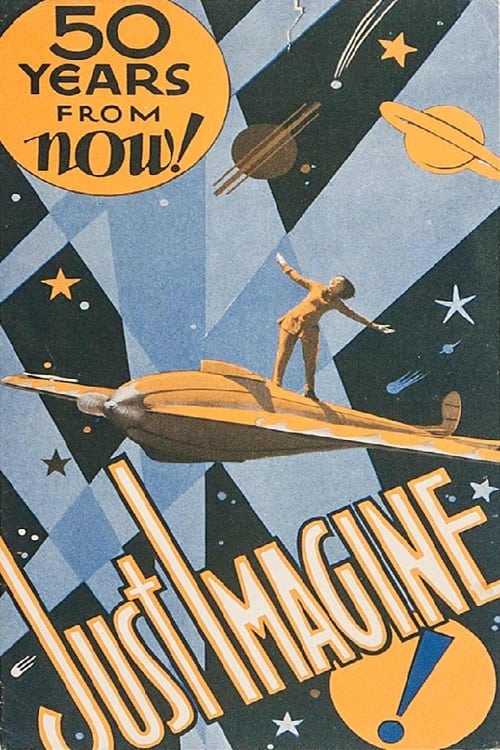
Just Imagine
1930
No user ratings available yet
Representation score: 4.7 out of 10
Representation Score
Fair
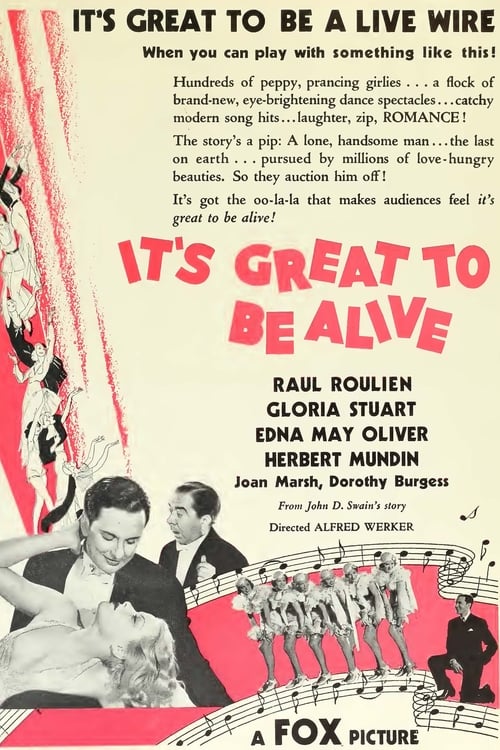
1933
PassedDirector
Alfred L. Werker
Runtime
69 minutes
Average Rating
No ratings yetNew Showbiz Analysis
The film uses a science fiction premise to challenge traditional social hierarchies. By introducing 'masculitus,' the story strips men of their typical dominance, turning the male protagonist into a biological commodity rather than a social leader. While the gender subversion is a strong thematic element, the film's diversity is limited by a lack of specific information regarding racial and LGBTQ+ identities. The South Pacific setting offers a backdrop for cultural exploration, but the focus remains primarily on the biological epidemic. Ultimately, the work functions as a speculative critique of gendered power, though it lacks the necessary depth in other categories to achieve a higher score.
Category Breakdown
The film does not explicitly confirm non-straight relationships or same-sex intimacy. Although the premise challenges traditional reproduction norms, there are no clear LGBTQ+ character arcs.
The story turns societal power dynamics on its head by focusing on a biological crisis that eliminates male fertility. This shift emphasizes the importance of the female population in driving the narrative.
Set in the South Pacific, the film has the potential to showcase diverse cultures. However, it is unclear whether the film provides meaningful representation or relies on colonial stereotypes.
The narrative examines the collapse of traditional social institutions through a biological lens. This speculative premise critiques established social orders and Western family structures.
The film does not include any characters dealing with physical, sensory, or neurodivergent conditions.
Present on Screen
Limited or Absent
Official Synopsis
An aviator who crash landed on an island in the South Pacific returns home to find that he is the last fertile man left on Earth after an epidemic of masculitus.
1930
1924
1935

1953

1944
No reviews yet. Be the first to share your thoughts on this movie!
Use the rating form above to leave a star rating and optional review.