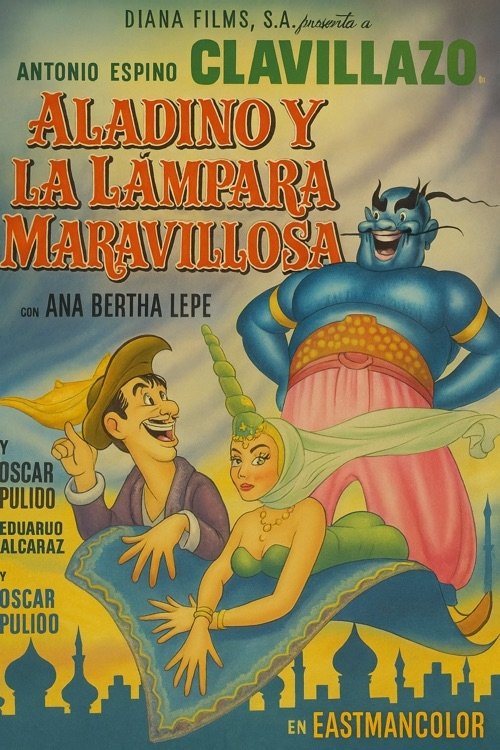
Aladdin and the Marvelous Lamp
1958
No user ratings available yet
Representation score: 2.1 out of 10
Representation Score
Limited
1961
Not RatedDirector
Roberto Rodríguez, Manuel San Fernando
Runtime
89 minutes
Average Rating
No ratings yetNew Showbiz Analysis
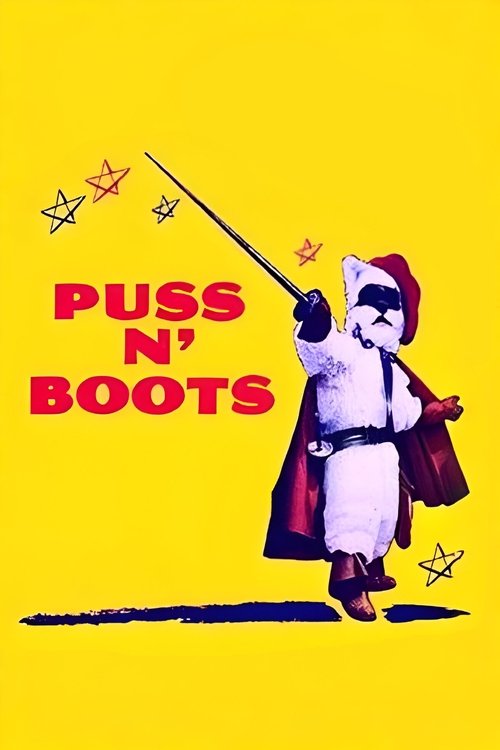
Puss n' Boots is a traditional fantasy-comedy that adheres to the conventional narrative structures of 1961. The story centers on a classic tale of resourcefulness and social mobility within a standard European folkloric setting. The film reinforces historical norms rather than challenging them. The narrative structure is built around male inheritance and patriarchal lineage, offering limited space for diverse representation or the subversion of systemic hierarchies. Ultimately, the production reflects the era's typical demographic homogeneity. It serves as a straightforward adaptation of folklore that prioritizes established social orders over diverse or inclusive storytelling.
Category Breakdown
The film does not include any LGBTQ+ characters or stories related to non-straight or non-cisgender identities.
The story revolves around the interactions between three brothers and emphasizes traditional male lineage and patriarchal structures.
The film is set in a typical European folkloric environment with no indication of diverse casting that would represent varied ethnicities.
The narrative upholds traditional European folklore and established social orders, focusing on social mobility through resourcefulness within conventional family roles.
There is no mention of characters with visible or invisible disabilities, nor any representation of neurodivergent traits.
Present on Screen
Limited or Absent
Official Synopsis
Following the death of their miller father, his eldest son inherits the mill, the middle one a donkey, and the youngest a cat. While initially disappointed, the lad soon learns not only that the cat can talk but is quite resourceful.
1958
1970
1961
1965
1909

1957
1959

1950
No reviews yet. Be the first to share your thoughts on this movie!
Use the rating form above to leave a star rating and optional review.