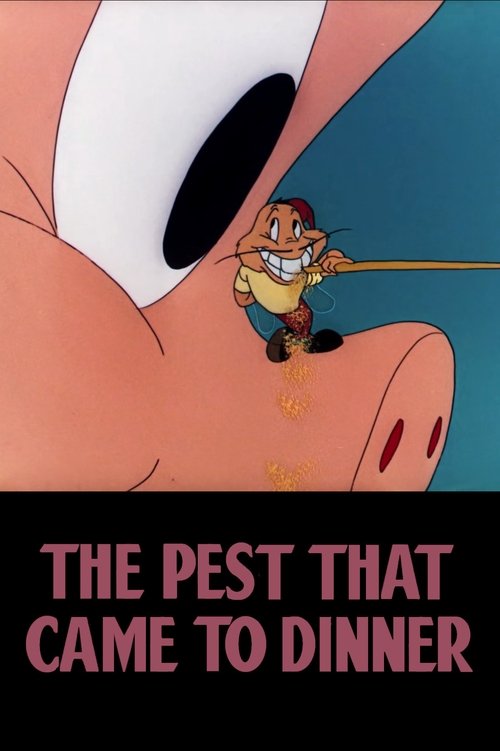
The Pest That Came to Dinner
1948
No user ratings available yet
Representation score: 0.3 out of 10
No Poster Available
Representation Score
Minimal
1946
ApprovedDirector
Mannie Davis
Runtime
7 minutes
Average Rating
No ratings yetNew Showbiz Analysis
The film provides a period-specific commentary on the post-WWII housing crisis, emphasizing the stability of the nuclear family. By using anthropomorphic animals, it avoids direct racial depiction, focusing instead on universal domestic struggles. The narrative remains rooted in traditional family structures of the 1940s, reflecting the era's emphasis on economic reintegration.
Category Breakdown
The film features a typical family of pigs and does not include any characters with non-traditional gender identities or same-sex relationships.
The story centers around a traditional family structure, likely reinforcing mid-20th century gender roles and family dynamics.
The characters are anthropomorphic pigs, which avoids direct racial depiction. The story focuses on a specific Western socio-economic experience.
The plot examines housing shortages through consumerism and homeownership, seeking stability within established Western economic frameworks.
The film does not depict any physical, sensory, or neurodivergent disabilities.
Present on Screen
Limited or Absent
Official Synopsis
A topical post-WWII cartoon dealing with the shortage of housing for the returning military people and their families. In this one, though, the family having a housing problem is a family of pigs. They trail moving vans and investigate "For Rent" signs, and even try to move the dogs out of their kennel. Finally, they buy a prefabricated house, have a very hard time putting it together and, then, termites show up and destroy their new home.
1948
1944
1951

1942
1954
1953
1952
1945
No reviews yet. Be the first to share your thoughts on this movie!
Use the rating form above to leave a star rating and optional review.