Penn & Teller's Invisible Thread
1987
No user ratings available yet
Representation score: 4.1 out of 10
Representation Score
Limited
1999
Director
John Henderson
Runtime
23 minutes
Average Rating
No ratings yetNew Showbiz Analysis
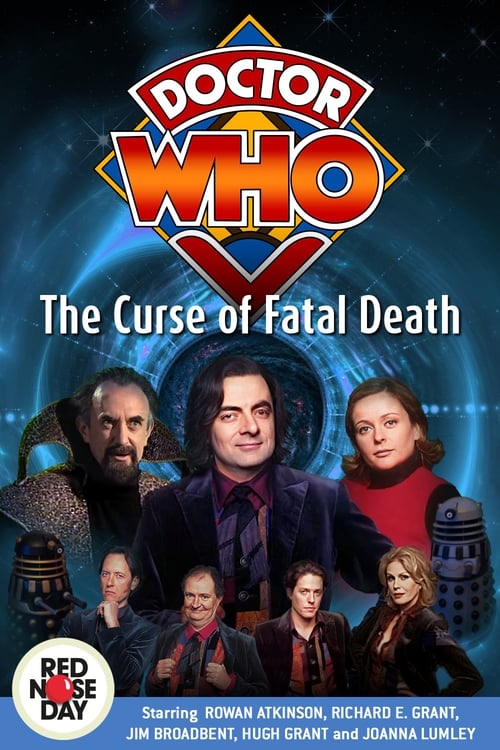
This parody serves as a postmodern deconstruction of the classic Doctor Who era. By aiming to lampoon specific historical clichés, it replicates the social constraints and homogeneous casting of the 1970s rather than challenging them. The film prioritizes absurdist humor and genre deconstruction over the creation of diverse identities. It excels as a critique of media consumption but falls short in providing progressive social representation. Ultimately, the work mirrors the era it satirizes, maintaining traditional hierarchies and demographic expectations common to late-20th-century British television.
Category Breakdown
The film does not include any LGBTQ+ characters or storylines. It follows the traditional structures of 1970s science fiction without introducing characters with diverse gender identities.
The movie relies on traditional gender roles and companion archetypes. While it pokes fun at certain gender clichés through slapstick humor, it does not challenge the underlying gender hierarchies.
The cast reflects the demographic norms of the era being parodied. There is no indication of race-bent or color-blind casting practices.
The comedy focuses on genre satire rather than cultural critique. It avoids addressing themes related to religion, morality, or systemic oppression.
There is no representation of physical or neurodivergent disabilities. Characters are driven by the needs of the plot rather than reflecting lived experiences of disability.
Present on Screen
Limited or Absent
Official Synopsis
Before the Doctor can settle down to married life, he must face one last confrontation with his deadly enemy of certain death - the Master.
1987

1996
2020

2014
2012
2008

2013
1979
No reviews yet. Be the first to share your thoughts on this movie!
Use the rating form above to leave a star rating and optional review.