International Settlement
1938
No user ratings available yet
Representation score: 1.0 out of 10
Representation Score
Minimal
1939
ApprovedDirector
Ricardo Cortez
Runtime
60 minutes
Average Rating
No ratings yetNew Showbiz Analysis
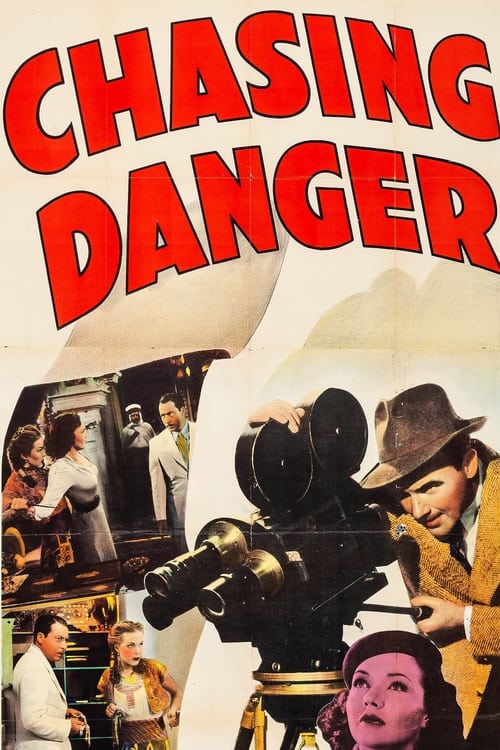
Chasing Danger is a product of its time, following the typical adventure frameworks of 1930s Hollywood. The story centers on an American newsreel cameraman navigating a Middle Eastern rebellion, emphasizing Western perspectives and ability to act over local viewpoints. The film leans heavily on traditional archetypes that favor masculine physical prowess and Western interventionism. This approach limits the depth of cultural representation, often treating foreign conflicts as mere backdrops for the protagonist's journey. Overall, the film lacks complexity in representing diverse identities and perspectives, functioning primarily as a conventional adventure piece.
Category Breakdown
The film does not include any characters who identify as LGBTQ+ or have non-cisgender identities.
The story revolves around a masculine newsreel cameraman, which may reinforce traditional gender roles and limit the role of female characters.
The film features an Arab rebellion but likely uses stereotypes and focuses on Western perspectives rather than local autonomy.
The plot follows a Western perspective, centered on an American protagonist navigating foreign conflicts. There is no indication of anti-Western or anti-capitalist sentiments.
The film does not depict any characters with visible or invisible disabilities.
Present on Screen
Limited or Absent
Official Synopsis
When American newsreel cameraman stationed in Paris is sent to cover an Arab rebellion he finds a financier presumed dead but actually fomenting desert warfare.
1938
1939
1955

1939

1941
1950
1940

1964
No reviews yet. Be the first to share your thoughts on this movie!
Use the rating form above to leave a star rating and optional review.