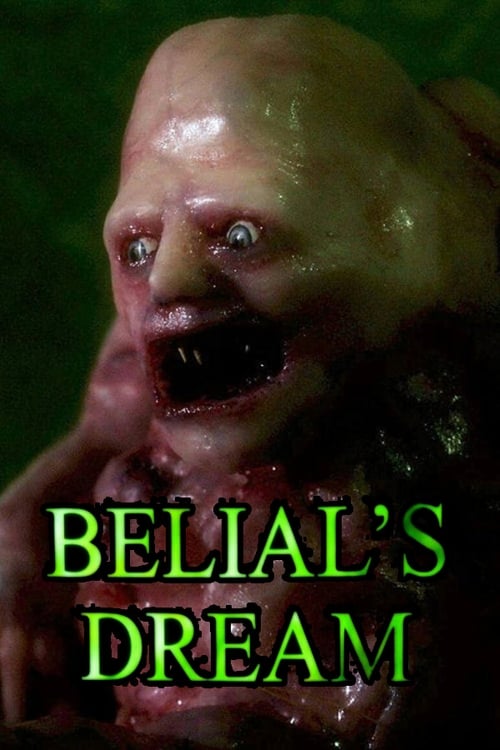
Belial's Dream
2017
No user ratings available yet
Representation score: 5.5 out of 10
Representation Score
Good
2019
Director
Robert Morgan
Runtime
8 minutes
Average Rating
No ratings yetNew Showbiz Analysis
Robert Morgan's stop-motion horror is a niche, avant-garde work that prioritizes existential dread over broad demographic representation. It rejects traditional Western archetypes, focusing instead on a morally ambiguous exploration of life and death. The film excels in creating an atmosphere that subverts traditional narratives, with a strong focus on a female protagonist's survival and psychological resilience. It uses stop-motion to explore themes of decay and existentialism effectively. However, the narrow focus on a small, isolated unit limits characters who reflect more than one aspect of diversity across racial, LGBTQ+, and disability-centric categories.
Category Breakdown
The film centers on a relationship between a girl and her father, without explicitly addressing LGBTQ+ identities or challenging assumptions about straight relationships.
Alice, the female lead, faces a deteriorating environment where her survival defines her role. However, the film doesn't delve deeply enough to fully challenge traditional gender roles.
Set in the Australian outback, the film focuses on a small, isolated group. There is no indication of a diverse cast or non-Anglo-Saxon majority.
The story dismantles traditional stability by depicting a world of decay and grief. It avoids positive representations of family or typical Western social structures.
The film examines psychological trauma and physical decay through stop-motion animation. It does not provide specific depth or roles for characters with neurodivergence or physical disabilities.
Present on Screen
Limited or Absent
Official Synopsis
An authorized stop-motion sequel to Jörg Buttgereit's 1993 movie "Schramm", called scenes from the Afterlife of Lothar Schramm, who was the centre of the feature film.
2017

2013
2009
2019

1987
2006
1994
2019
No reviews yet. Be the first to share your thoughts on this movie!
Use the rating form above to leave a star rating and optional review.