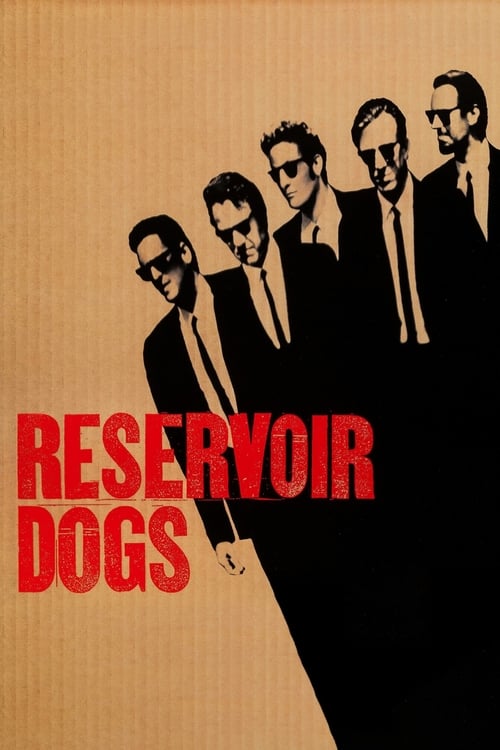
Reservoir Dogs
1992
No user ratings available yet
Representation score: 1.1 out of 10

Representation Score
Good
1994
RDirector
Quentin Tarantino
Runtime
154 minutes
Average Rating
No ratings yetNew Showbiz Analysis
Pulp Fiction places Black men at the top of the moral and power hierarchy. Jules recites Ezekiel to justify leaving violence; Marsellus commands loyalty without question. Mia saves Vincent from overdose and keeps her warmth. The film sells faith as a valid exit from crime and treats male redemption through action as the default. The closing image shows Jules and Vincent walking away from the diner, having chosen peace over profit.
Category Breakdown
No queer characters, relationships, or identities appear in the narrative. The film centers exclusively on heterosexual pairings and male camaraderie. Absence is total; no subtext or background presence is depicted.
Mia Wallace drives the central romantic arc and saves Vincent from overdose, acting with competence while he remains passive. The film treats male violence as the primary threat, yet rewards female agency with a warm, non-punitive ending. Butch’s arc relies on traditional masculine redemption through physical action.
Jules Winnfield and Marsellus Wallace hold the highest moral and hierarchical authority in the story. Jules delivers the film’s central ethical monologue, while Marsellus commands unquestioned loyalty. White characters serve as foils or subordinates, inverting standard power dynamics without reducing Black characters to stereotypes.
Jules interprets a violent encounter as divine intervention, using scripture to justify leaving crime. The film treats faith as a genuine source of moral clarity rather than a hollow institution. Traditional hierarchies of crime and violence are respected, with redemption framed as personal choice rather than systemic change.
No characters possess lasting physical, mental, or cognitive impairments. Temporary injuries, such as Butch’s gunshot wound, are resolved quickly and do not affect the narrative’s moral logic. Disability is absent from the on-screen inventory.
Present on Screen
Limited or Absent
Official Synopsis
A burger-loving hit man, his philosophical partner, a drug-addled gangster's moll and a washed-up boxer converge in this sprawling, comedic crime caper. Their adventures unfurl in three stories that ingeniously trip back and forth in time.
1992

1998
1995
1996

1995
1973
2017
1992
No reviews yet. Be the first to share your thoughts on this movie!
Use the rating form above to leave a star rating and optional review.