
Killer Grandma
2018
No user ratings available yet
Diversity score: 3.7 out of 10
2020
TV-14Director
Danny J. Boyle
Runtime
79 minutes
Average Rating
No ratings yetSynopsis
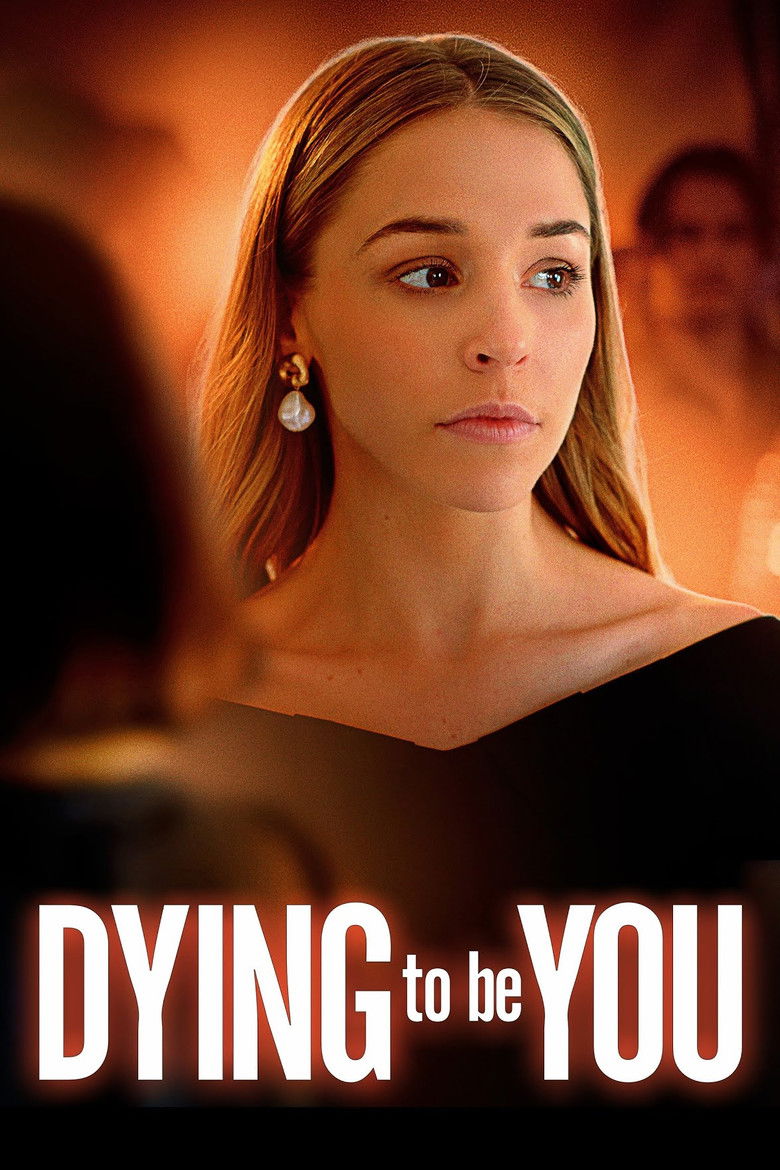
Miles apart, Molly and Lily become pen pals at 4th grade, continuing to write to each other throughout their lives. Things change however when Molly shows up at Lily's 25th Birthday, with an intention of taking over Lily's life.
Overall Score
Limited
Category Breakdown
LGBTQ+ Representation
The lifelong bond between Molly and Lily offers potential for exploring queer-coded emotional dependency. However, the film lacks explicit declarations of sexual orientation or gender identity.
Gender Representation
The plot centers entirely on female agency and conflict, removing male characters from the central tension. This shifts power dynamics away from traditional patriarchal structures and tropes.
Racial & Ethnic Diversity
There is no evidence of a diverse or non-Anglo-Saxon majority cast. The narrative focus remains strictly on the interpersonal relationship between the two leads.
Religious & Cultural Diversity
The story explores identity instability and the performative nature of social identity. It offers a postmodern critique of the unified individual and the fragility of social structures.
Disability Representation
The film provides no information regarding the inclusion of characters with physical, neurodivergent, or mental health disabilities.
Strengths
Areas for Improvement
AI Analysis
Dying to Be You is a character-driven psychological thriller that finds its strength in subverting traditional genre tropes. By centering the entire conflict on the relationship between two women, the film bypasses masculine-led narrative structures in favor of female autonomy and psychological dominance. However, the film's progressive impact is limited by a lack of intersectional depth. The narrative appears focused on a narrow interpersonal struggle, leaving significant gaps in racial, disability, and explicit LGBTQ+ representation. Ultimately, while the film succeeds in deconstructing identity through a female lens, it lacks the breadth of diverse casting and explicit representation required for a higher diversity score.
2018

2021
2024

2020

2021
2019

2019

2019

2022
2017
2022

2018
No reviews yet. Be the first to share your thoughts on this movie!
Use the rating form above to leave a star rating and optional review.