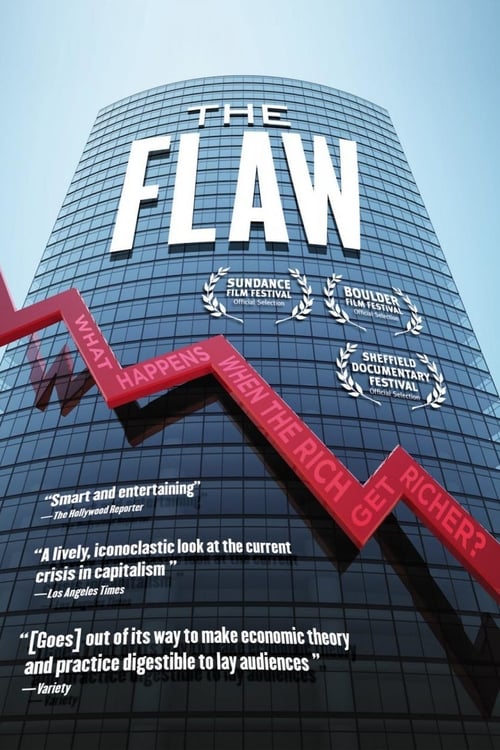
The Flaw
2011
No user ratings available yet
Representation score: 4.8 out of 10
Representation Score
Limited
2012
Director
Tim Delmastro
Runtime
55 minutes
Average Rating
No ratings yetNew Showbiz Analysis
This documentary prioritizes systemic economic critique over social identity politics. The narrative structure centers on institutional critique and economic theory rather than character-driven social narratives. While the film effectively challenges Western financial dominance, it lacks the frameworks needed for high scores in identity-based categories. The focus remains strictly on the deconstruction of capital and post-WWII economic trajectories.
Category Breakdown
The documentary focuses on global economic shifts and financial institutions. There is no evidence of LGBTQ+ characters or narratives related to non-cisgender identities.
The film examines the mechanics of power within established financial sectors. It does not explicitly aim to challenge traditional gender hierarchies or portray masculinity in a non-traditional light.
The narrative covers the worldwide financial collapse and its varied impacts across different regions. However, it lacks a focus on the way different racial identities intersect or on deliberate casting that bends traditional racial roles.
The film challenges the stability of Western financial institutions and capitalist structures. It frames the current economic state as a systemic failure of traditional dominance.
There is no indication that the film addresses neurodivergence, physical disabilities, or mental health through the lens of personal ability to act or representation.
Present on Screen
Limited or Absent
Official Synopsis
Wall Street is being occupied. Europe is collapsing in on itself. Around the world, people are consumed by fear and anger, and one question is on everyone's lips: Is the financial crisis over, or are we headed towards economic disaster? documentary that chronicles the global financial collapse. Told in an entertaining and easy to follow style, the film tells the story of how the world came to be in such a state, from the seeds sown after WW2, to the current troubles facing us today, and to the possible future that may await us all. Also asks influential members of the finance and investment communities for their predictions on the world's financial future.
2011
2009

2010
2012
2012
2011
2013
2022
No reviews yet. Be the first to share your thoughts on this movie!
Use the rating form above to leave a star rating and optional review.