The Three Musketeers in Boots
1972
No user ratings available yet
Diversity score: 4.1 out of 10

1976
Director
Hiroshi Shidara
Runtime
68 minutes
Average Rating
No ratings yetSynopsis
Brave cat Pero once had a bet with treacherous multimillionarie Grumon that he can travel around the world in 80 days. The stake is high, in case of success Grumon will give all of his fortune to Pero, but in case of failure Pero becomes slave of Grumon for the rest of his life. Pero departs together with his faithful friends behemoth Kato and brave Small Mouse. Grumon tries everything to prevent their arrival to the finish.
Overall Score
Limited
Category Breakdown
LGBTQ+ Representation
The film lacks any evidence of non-cisnormative gender identities or same-sex intimacy. Character dynamics focus on traditional friendship models between the protagonist and his companions.
Gender Representation
The story centers on a male-coded protagonist and his male companions. This reliance on masculine-coded archetypes of bravery results in a notable lack of female agency.
Racial & Ethnic Diversity
Anthropomorphic animals serve as metaphors for character agency, creating a universalized approach to global travel. This avoids specific racial stereotypes but also bypasses intentional ethnic blending.
Religious & Cultural Diversity
The plot critiques extreme wealth and the corruptive nature of capitalism through its antagonist. However, the narrative remains rooted in a traditional hero's journey structure.
Disability Representation
There is no indication that any characters possess visible or invisible disabilities. These traits are not utilized as narrative devices within the film.
Strengths
Areas for Improvement
AI Analysis
This 1976 animation follows a classic adventure structure centered on a high-stakes bet and a global journey. While it offers a moderate critique of wealth disparity and the corruptive nature of capitalism, the social dynamics remain conventional. The film relies heavily on traditional masculine-coded archetypes, with the central trio consisting of a male-coded cat and his male companions. This focus limits the presence of female agency and intersectional complexity. By using anthropomorphic animals, the film achieves a universalized feel that avoids racial stereotypes. However, this approach also avoids the intentional representation of diverse human ethnicities or specific cultural identities.
1972

1995
1986
1989
1988
1985
1972
1979
1988
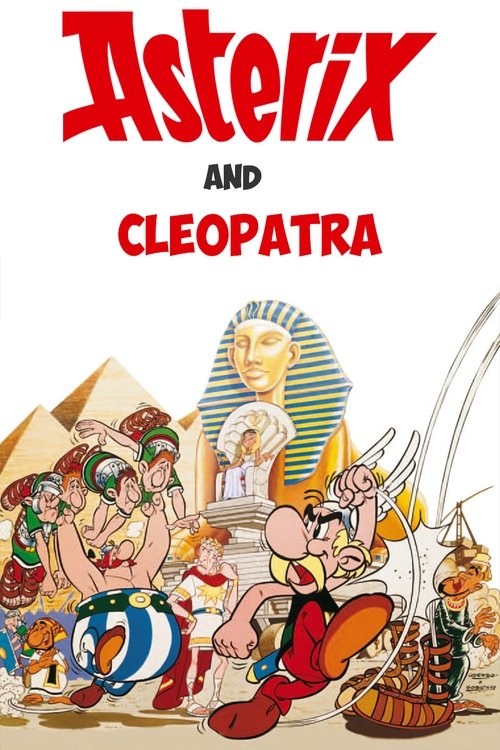
1968
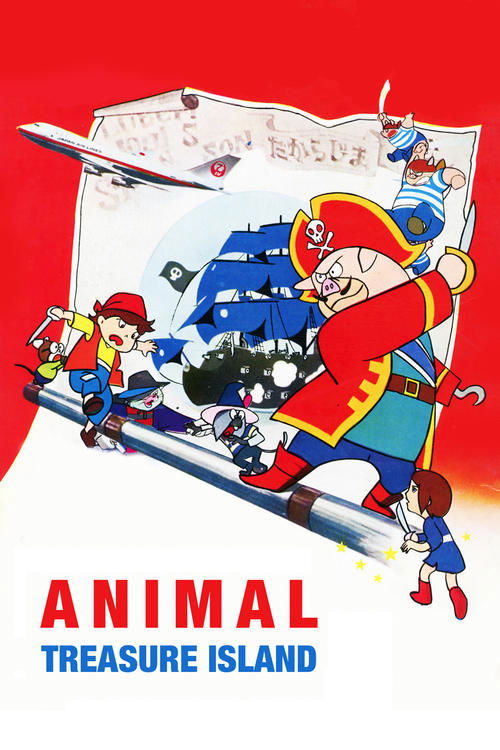
1971
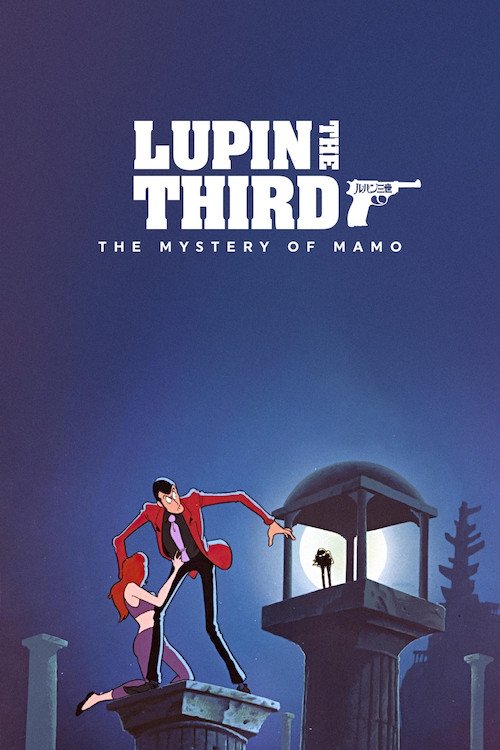
1978
No reviews yet. Be the first to share your thoughts on this movie!
Use the rating form above to leave a star rating and optional review.