
Daffodils
2019
No user ratings available yet
Representation score: 4.6 out of 10
Representation Score
Limited
2025
Director
Nabin Chauhan
Runtime
148 minutes
Average Rating
No ratings yetNew Showbiz Analysis
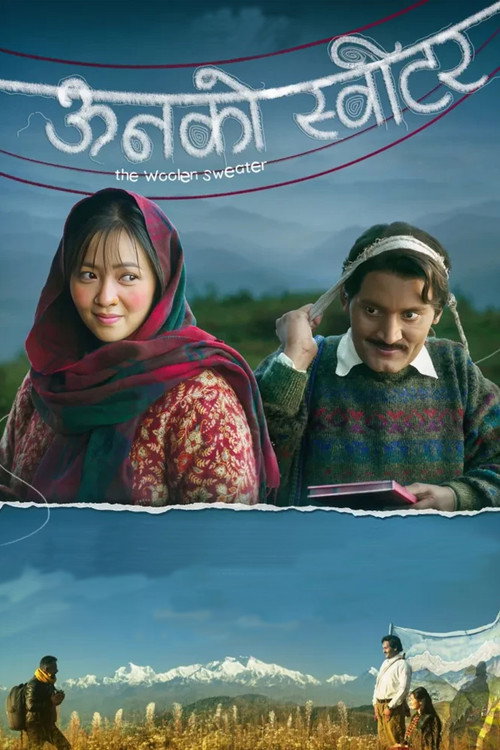
Unko Sweater opens on the quiet hills of eastern Nepal, where a reserved Brahmin mason and a spirited Gurung girl navigate a world defined by communal expectations. The film’s argument is straightforward: love transcends caste, but the social structures that enforce caste remain the backdrop of daily life. The camera lingers on the tension between Dharanidhar’s traditional family duties and his growing attachment to Phool, treating their bond as a gentle rebellion against a rigid social order. The sold meaning is one of warmth and human connection, where the "sweater" of the title becomes a metaphor for the comfort found in cross-community intimacy. However, the film’s internal logic reveals a contradiction: while it celebrates the personal freedom of its leads, it simultaneously upholds the very institutions that restrict them. The village’s political disputes and ritualistic patch-ups are not portrayed as oppressive but as necessary mechanisms for social cohesion. The Brahmin family’s authority is questioned but never overthrown; it is merely softened by the prospect of a mixed marriage. The ending settles on a moral verdict that favors integration over revolution. Dharanidhar and Phool are not shown dismantling the caste system; they are shown fitting into it, their love serving as a bridge between communities rather than a wedge. The camera loves the harmony of the village, even as it acknowledges the friction. This is a film that values tradition as a container for modern affection, suggesting that progress in this context means being accepted within the existing hierarchy, not escaping it. The final image is one of communal acceptance, where the "other" is welcomed not by changing the rules, but by proving they can live within them.
Category Breakdown
No queer characters or subtext appear. The narrative tracks only the heterosexual courtship between Dharanidhar and Phool. Same-sex intimacy is entirely absent from the frame.
Phool drives the romance, yet domestic duties remain strictly traditional. Women manage rituals and households while men handle public disputes. Gender roles stay rigid despite the cross-caste pairing.
The film centers a Brahmin man and a Gurung woman. Caste and community are named as active social forces. Gurung identity is treated with respect, not mockery.
Traditional institutions act as rigid obstacles to the couple. Conflict resolves through communal rituals and acceptance of existing structures. The film upholds hierarchy rather than dismantling it.
No characters display physical, sensory, or cognitive impairments. A temporary broken leg heals off-screen. Disability is absent from the narrative.
Present on Screen
Limited or Absent
Official Synopsis
A tender romantic drama set in the serene hills of eastern Nepal. The film explores the quiet bond between Dharanidhar Kafle, a reserved young man from a traditional Brahmin family, and Phool, a spirited girl from the Gurung community.
2019

2025
2002
2016

2026

2025

2017
1991
No reviews yet. Be the first to share your thoughts on this movie!
Use the rating form above to leave a star rating and optional review.