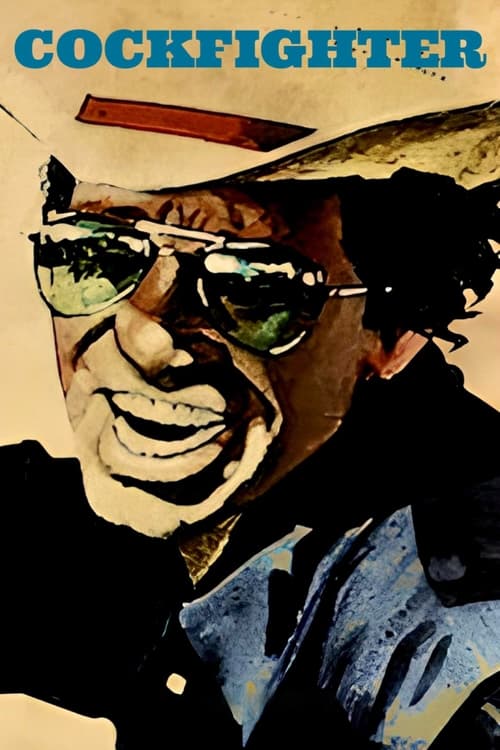
Cockfighter
1974
No user ratings available yet
Representation score: 1.1 out of 10

Representation Score
Minimal
1977
PGDirector
Brice Mack
Runtime
92 minutes
Average Rating
No ratings yetNew Showbiz Analysis
Rooster: Spurs of Death! is a character-driven drama centered on the cockfighting industry and the relationships within it. The narrative emphasizes traditional masculine dynamics, particularly the bond between a father and his son. Given the film's focus on a niche subculture, it does not offer broad representation of diverse identities. The story does not include characters from different racial or ethnic backgrounds, nor does it feature LGBTQ+ identities or characters with disabilities.
Category Breakdown
The film does not include any LGBTQ+ identities or same-sex relationships. There are no narratives that question the assumption that everyone is straight.
The story revolves around a father-son relationship in the context of cockfighting, which is a traditionally masculine activity. It does not explore non-traditional gender roles or challenge patriarchal structures.
There is no information regarding the racial composition of the cast. The setting does not suggest a multi-ethnic environment or the exploration of racial themes.
The film explores a specific subculture on the fringes of mainstream society. It focuses on a localized social ecosystem without addressing broader cultural or religious themes.
The film does not depict any characters dealing with physical, neurological, or mental health conditions.
Present on Screen
Limited or Absent
Official Synopsis
70's drama about a cock fighter and his son and the goings on of the cockfighting industry.
1974

1976

1948

1963
2002

2020
1982
1990
No reviews yet. Be the first to share your thoughts on this movie!
Use the rating form above to leave a star rating and optional review.