Contagion
2011
No user ratings available yet
Representation score: 7.4 out of 10

Representation Score
Good
2009
Director
Takahisa Zeze
Runtime
138 minutes
Average Rating
No ratings yetNew Showbiz Analysis
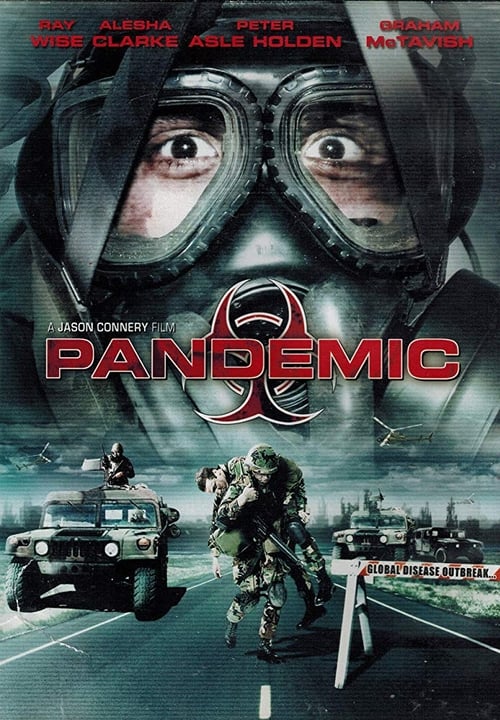
Pandemic (2009) is a high-stakes medical thriller that prioritizes systemic collapse over identity politics. The film finds its strength in portraying professional ability to act, particularly through its female lead, rather than through diverse social representation. The narrative functions as a genre piece exploring the fragility of modern infrastructure. While it lacks multi-layered depth, it provides a meaningful critique of how global institutions interact with local crises. Ultimately, the film's diversity is limited by its focus on a specific biological threat and a localized setting, resulting in a demographic profile that remains largely homogeneous.
Category Breakdown
The film does not explicitly depict LGBTQ+ identities. The storyline centers on professional medical crisis management and the biological threat.
Eiko Kobayashi, a WHO officer, serves as a central authority figure. This role avoids common disaster cinema clichés.
The cast is primarily East Asian, reflecting the film's Japanese setting. This creates a homogeneous demographic profile consistent with the localized narrative.
The story examines the tension between local autonomy and global institutional oversight. It critiques the stability of modern civilization and its infrastructure.
Physical trauma and organ failure drive the medical thriller plot. These elements do not offer nuanced explorations of lived disability or neurodivergence.
Present on Screen
Limited or Absent
Official Synopsis
ER doctor Tsuyoshi Matsuoka receives a patient with a virus unlike anything he's seen before. His symptoms include high fever, convulsions, vomiting of blood and multiple organ failure. Could this be a new form of influenza or is it some other variety of virus? As the situation worsens and more cases begin arriving, a medical officer from the World Health Organization named Eiko Kobayashi is dispatched to the area. At the rate the virus is spreading, the entire city’s transportation system and infrastructure would be brought to a halt within 3 months. Within 6 months it could spread to tens of millions of people--reaching a death toll far worse than any war.
2011
2013

2002
2009
2009

2008
1995
2011
No reviews yet. Be the first to share your thoughts on this movie!
Use the rating form above to leave a star rating and optional review.