Outbreak
1995
No user ratings available yet
Representation score: 2.2 out of 10
Representation Score
Good
2008
RDirector
Neil Marshall
Runtime
108 minutes
Average Rating
No ratings yetNew Showbiz Analysis
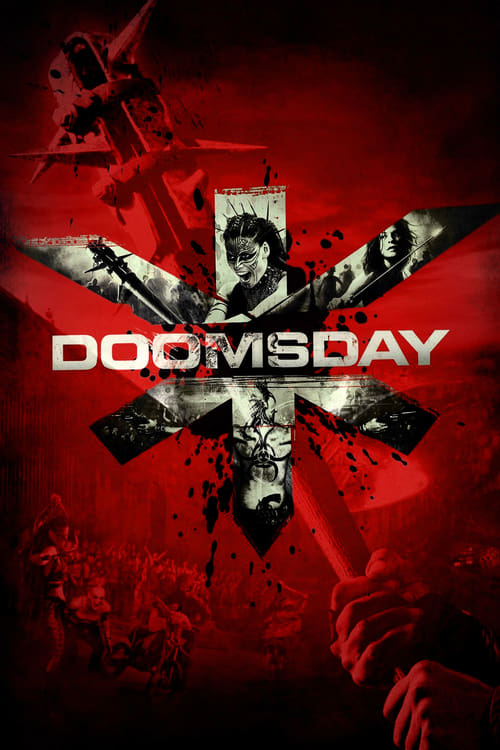
Doomsday highlights a female protagonist, Sol, who leads the mission in a chaotic environment. This shifts away from the typical male action hero archetype. However, the film lacks detailed exploration of LGBTQ+ identities or nuanced portrayals of disability, focusing instead on the terrifying impact of the virus. The film's strength lies in its critique of modern society's instability. By showing a world where traditional institutions have failed, it questions established power structures.
Category Breakdown
The film does not feature any prominent LGBTQ+ characters or stories. The plot centers on survival and conflict, leaving no space for non-straight relationships.
Sol is the main leader and driver of the mission. She challenges the usual male-dominated action roles by emphasizing female intelligence and physical strength.
The cast includes a mix of characters from different survivalist groups. However, the story focuses more on economic and tribal differences rather than specific racial backgrounds.
The story shows the collapse of Western systems, including laws and organized religions. It explores a world where traditional moral rules no longer apply.
The film portrays the virus-induced changes as a form of biological terror. Infected individuals are shown as antagonists rather than characters with complex experiences.
Present on Screen
Limited or Absent
Official Synopsis
The lethal Reaper virus spreads throughout Britain—infecting millions and killing hundreds of thousands. Authorities brutally and successfully quarantine the country but, three decades later, the virus resurfaces in a major city. An elite group of specialists is urgently dispatched into the still-quarantined country to retrieve a cure by any means necessary. Shut off from the rest of the world, the unit must battle through a landscape that has become a waking nightmare.
1995
1971

2007

2009
2002
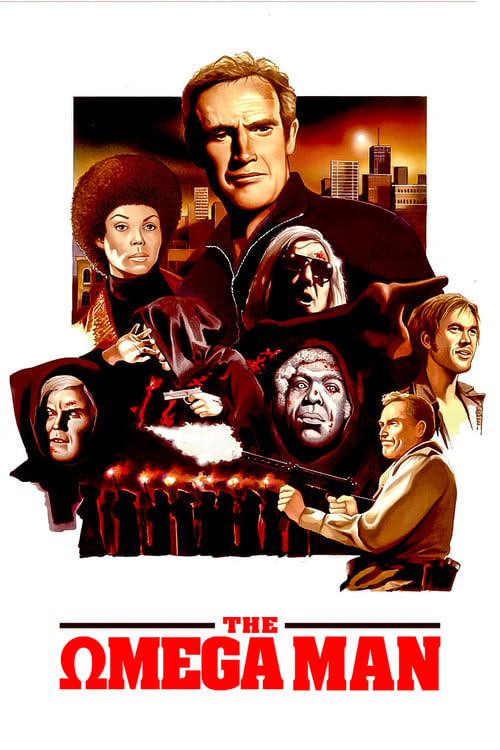
1971

2005

2008
No reviews yet. Be the first to share your thoughts on this movie!
Use the rating form above to leave a star rating and optional review.