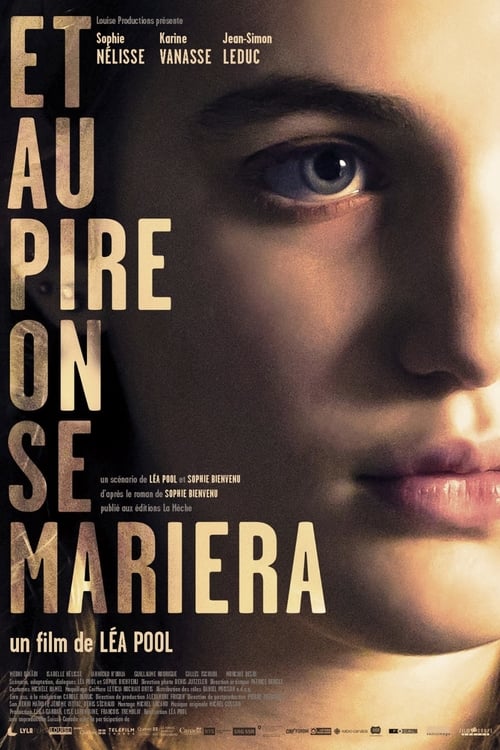
Worst Case We Get Married
2017
No user ratings available yet
Diversity score: 5.3 out of 10
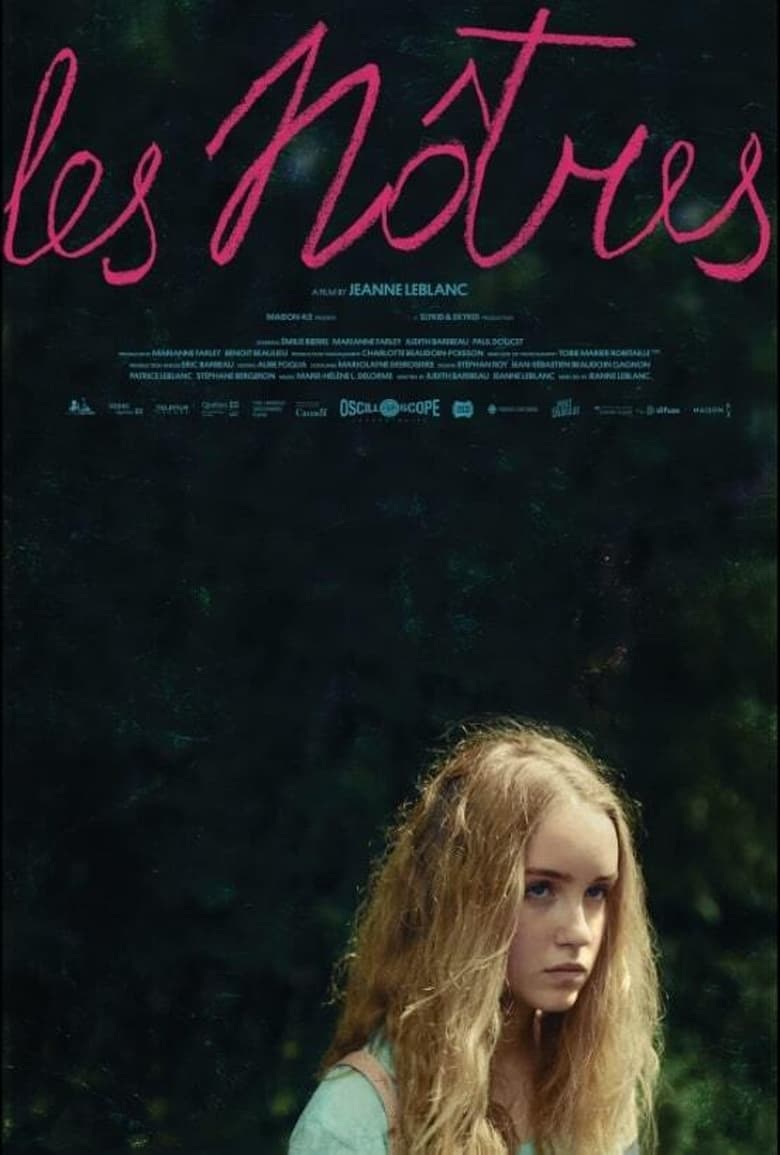
2020
Director
Jeanne Leblanc
Runtime
103 minutes
Average Rating
No ratings yetSynopsis
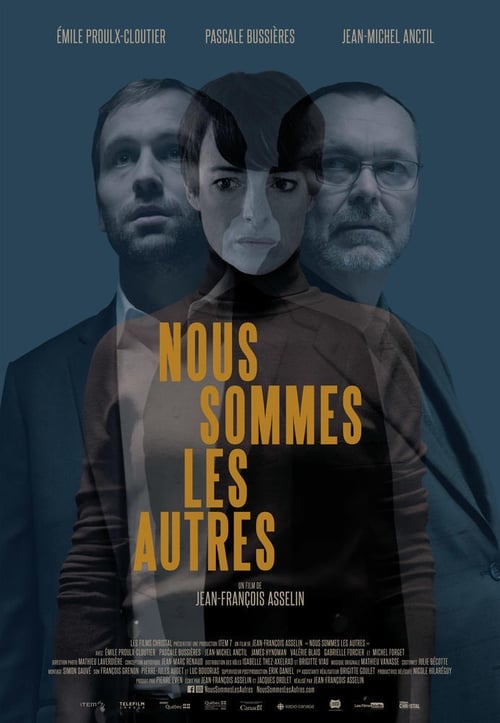
OUR OWN is a social suspense about Magalie, a teenager who will have no choice but to take back the reins of her own life. Against all odds.
Overall Score
Fair
Category Breakdown
LGBTQ+ Representation
The film lacks explicit confirmation of queer identities or non-heteronormative narratives. While the theme of cracking social veneers suggests potential subtext, no specific LGBTQ+ characters are identified.
Gender Representation
Female characters like Isabelle and Chantale hold central roles as protective mothers. The story explores their agency and vulnerability as they navigate a tragedy within a rigid social structure.
Racial & Ethnic Diversity
The community appears largely homogeneous, though the presence of Manuel, an adopted child, introduces themes of outsider status. This adds a layer of complexity to the town's traditionalist setting.
Religious & Cultural Diversity
The narrative critiques the idyllic Western village by exposing the deceptions behind its peaceful facade. It challenges communal stability by focusing on the breakdown of social order and institutional hypocrisy.
Disability Representation
There is no mention of characters with visible or invisible disabilities in the narrative.
Strengths
Areas for Improvement
AI Analysis
Our Own is a character-driven drama that focuses on the deconstruction of social norms rather than celebrating community values. It uses a small-town scandal to peel back the layers of a carefully maintained social veneer. The film finds its strength in exploring gendered experiences and the tension between maternal instincts and systemic powerlessness. It effectively uses the setting of Ste-Adeline to examine how social contradictions emerge when a community's facade cracks. However, the film lacks explicit representation of LGBTQ+ identities and disability. The focus remains primarily on the psychological and social friction within a seemingly traditionalist, homogeneous environment.
2017
2015
2020
2017
2025

2020

2011

2004
2019
2013
2022
2024
No reviews yet. Be the first to share your thoughts on this movie!
Use the rating form above to leave a star rating and optional review.