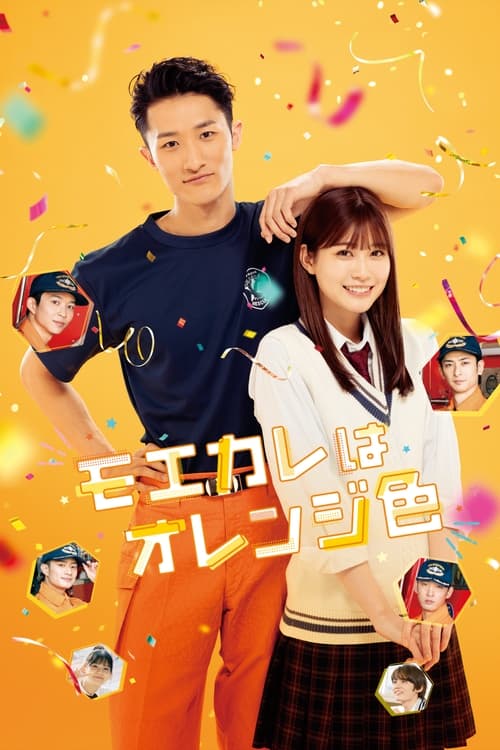
My Boyfriend in Orange
2022
No user ratings available yet
Representation score: 3.9 out of 10

Representation Score
Limited
2017
PG-13Director
Shosuke Murakami
Runtime
120 minutes
Average Rating
No ratings yetNew Showbiz Analysis
One Week Friends is a traditional genre piece that prioritizes sentimental realism and established romantic clichés. The narrative focuses on a localized, culturally homogeneous experience that adheres to standard social norms of Japanese adolescence. While the film introduces a unique psychological condition, it uses this element primarily as an emotional obstacle for a romantic arc. This approach favors melodrama over a substantive exploration of neurodivergence or systemic social disruptions. Ultimately, the film maintains a conventional structure. It reinforces standard archetypes and lacks engagement with multi-layered themes or the deconstruction of social hierarchies.
Category Breakdown
The story follows a strictly heterosexual trajectory. The central romantic conflict is a binary bond between a male and female protagonist, without any representation of LGBTQ+ identities or non-binary orientations.
The film uses traditional gender roles typical of the shoujo genre. While the female lead has psychological depth, her character arc is defined by her relationship with the male lead.
The cast is culturally homogeneous, reflecting a contemporary Japanese setting. There is no evidence of diverse ethnic identities or actors from different backgrounds.
The film adheres to standard Japanese social norms without critiquing systemic issues. It focuses on interpersonal empathy rather than broader cultural or secular themes.
A memory-related condition serves as a central narrative device. However, the film treats this cognitive impairment primarily as an emotional obstacle for a romantic arc, rather than exploring it deeply or giving it substantial ability to act.
Present on Screen
Limited or Absent
Official Synopsis
High school student Yuki Hase wants to become close with classmate Kaori Fujimiya who is alway by herself. Kaori Fujimiya refuses to become close with Yuki Hase, because she forgets her friends every new Monday. Even though Kaori tells Yuki why she doesn't want to become friends, Yuki still wants to become close to her.
2022
2010
2017

2007

2021
2018
2014
2020
No reviews yet. Be the first to share your thoughts on this movie!
Use the rating form above to leave a star rating and optional review.