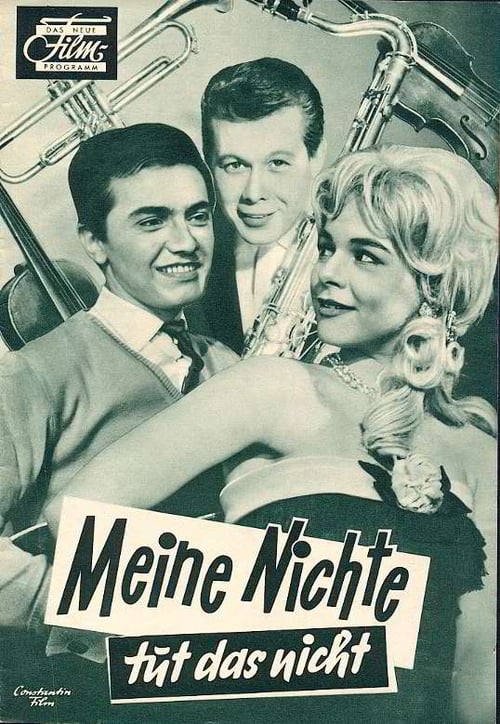
Meine Nichte tut das nicht
1960
No user ratings available yet
Representation score: 1.6 out of 10
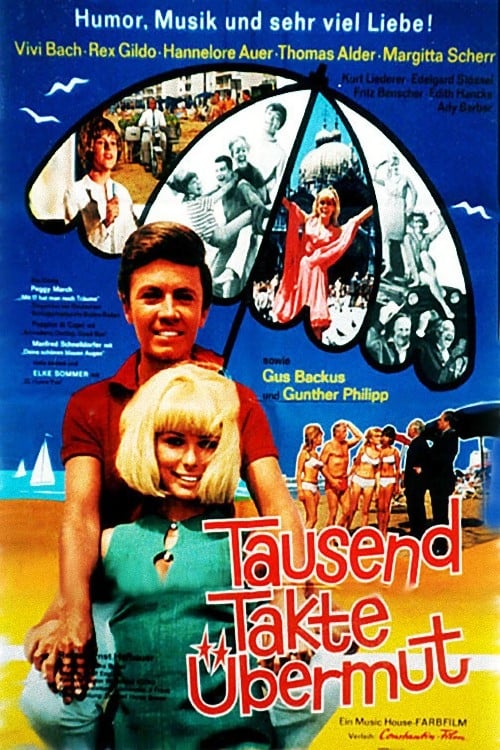
Representation Score
Fair
1965
Director
Ernst Hofbauer
Runtime
98 minutes
Average Rating
No ratings yetNew Showbiz Analysis
Tausend Takte Übermut functions as a typical musical comedy of the 1960s, focusing on light-hearted social interactions rather than social disruption. The film operates within the conventional framework of the 1960s Schlagerfilm, emphasizing middle-class leisure and standard romantic clichés over progressive social commentary. The production reinforces the established social and cultural norms of 1965 West German cinema. It lacks intentional efforts to deconstruct hierarchies or provide multi-layered representation. Ultimately, the film serves as traditional genre entertainment, emphasizing middle-class leisure and standard romantic formulas over progressive social commentary.
Category Breakdown
The film follows traditional romantic storylines common during its time. There is no indication of characters who do not conform to traditional gender roles or stories that question the assumption that everyone is straight or cisgender.
The story likely follows traditional gender roles common in 1960s European cinema. There is no indication of women playing a leading role through intellect or physical strength.
Set in a German seaside hotel, the film reflects the demographic uniformity of the mid-1960s. There are no characters of color who play a significant role in the story.
The setting emphasizes stable, middle-class social environments. The film focuses on leisure activities and traditional structures without challenging Western institutions.
There is no evidence of characters with disabilities having a significant role in the story. In this genre, disability was rarely a central or nuanced part of the narrative.
Present on Screen
Limited or Absent
Official Synopsis
German music film set in a seaside hotel.
1960
1958
1978

2014
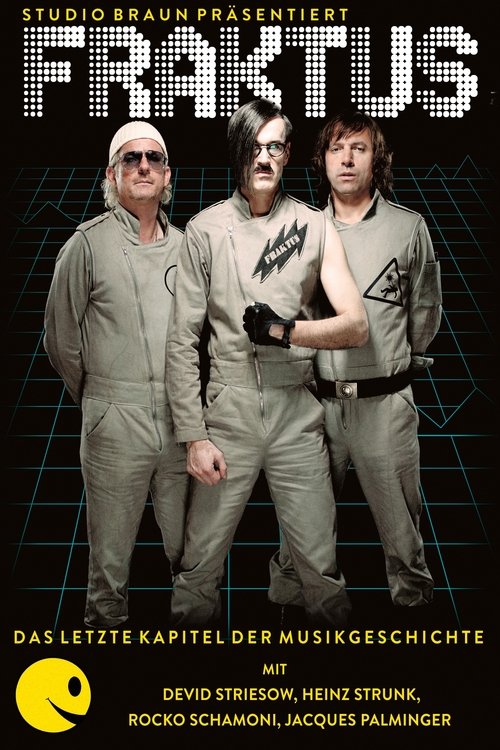
2012
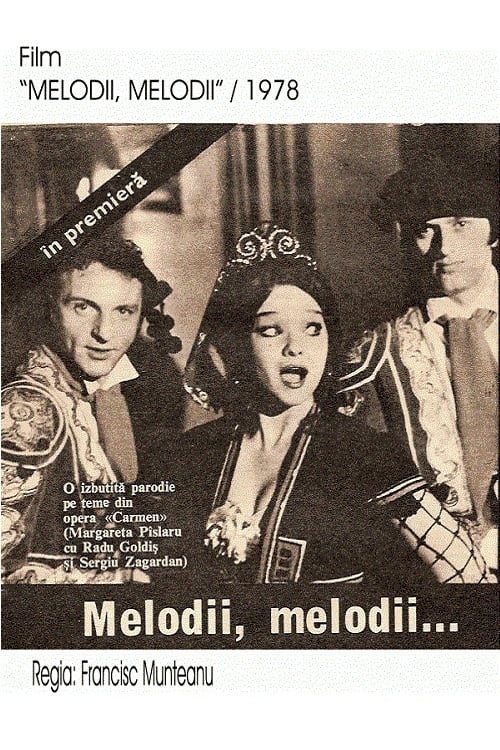
1978
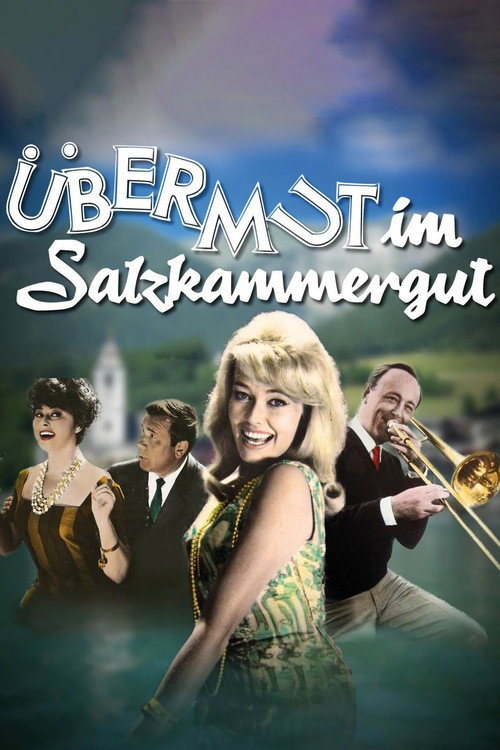
1963
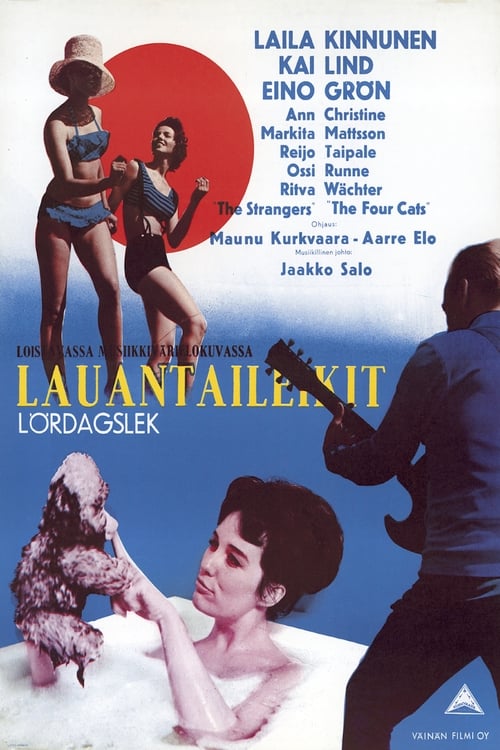
1963
No reviews yet. Be the first to share your thoughts on this movie!
Use the rating form above to leave a star rating and optional review.