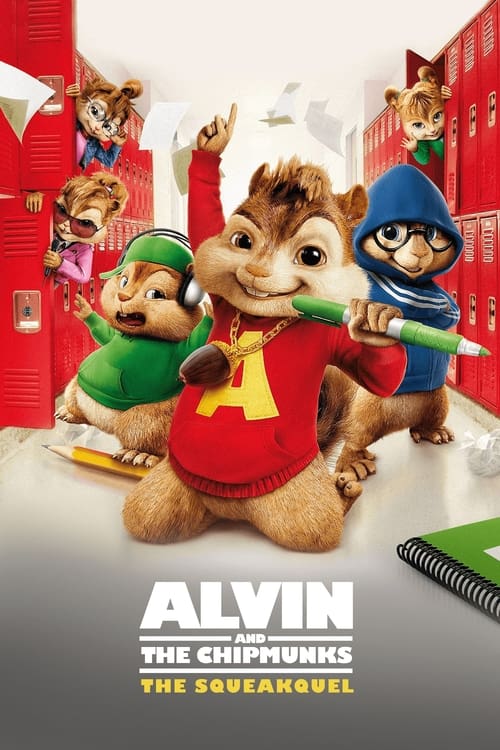
Alvin and the Chipmunks: The Squeakquel
2009
No user ratings available yet
Representation score: 2.1 out of 10
Representation Score
Limited
2000
GDirector
Kathi Castillo
Runtime
77 minutes
Average Rating
No ratings yetNew Showbiz Analysis
The film relies on conventional storytelling clichés and traditional character archetypes. The narrative structure focuses on personal growth and overcoming psychological hurdles through a standard werewolf metaphor, which lacks complexity in reflecting multiple aspects of identity. Most of the character's ability to drive the story is concentrated in male protagonists, leaving little room for diverse gendered perspectives. The setting reinforces traditional social institutions and Western narrative norms without challenging existing cultural hierarchies. Because the plot is driven by physical transformations and school-based conflicts, it misses opportunities for meaningful representation of disability or diverse ethnic backgrounds. The production adheres to the homogeneous standards of its era.
Category Breakdown
The film does not include any characters with non-straight sexual orientations or same-sex relationships. It focuses solely on individual character development and school-based social interactions.
The story heavily emphasizes male characters, particularly Alvin and Theodore. There is no evidence of female empowerment or the overturning of traditional gender roles in the narrative.
The synopsis does not provide any information about the racial or ethnic makeup of the cast. The ensemble follows a uniform pattern typical of early-2000s children's media.
The film employs a classic Western narrative structure centered around school-based social hierarchies. Themes align with traditional values of discipline and overcoming personal fears through institutional guidance.
Theodore's canine transformations serve as a fantastical plot device rather than a detailed exploration of disability. The physical changes are treated as a comedic cliché rather than a lived experience.
Present on Screen
Limited or Absent
Official Synopsis
As Alvin struggles with nightmares involving werewolves, the school play of Jekyll & Hyde is in jeopardy when the lead, Alvin, is suspended. In an attempt to boost his confidence, the principal suggests Theodore, who's suddenly going through some canine changes.
2009
1988
2011
2003
1991

2013
1999
2004
No reviews yet. Be the first to share your thoughts on this movie!
Use the rating form above to leave a star rating and optional review.