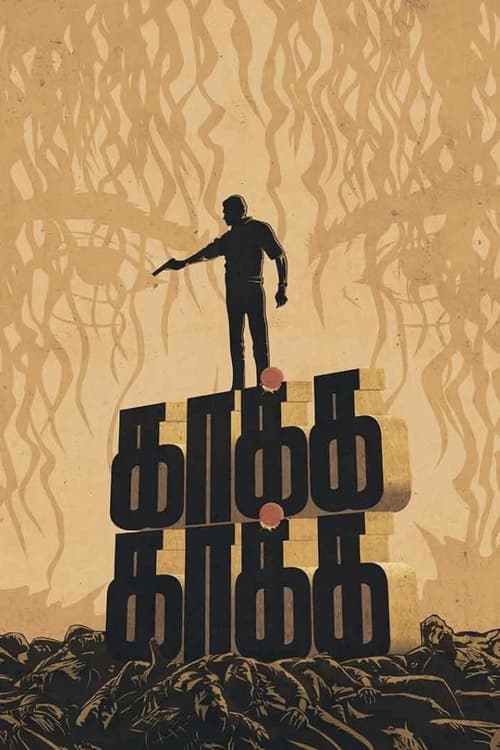
Kaakha Kaakha
2003
No user ratings available yet
Representation score: 2.9 out of 10

Representation Score
Limited
2002
RDirector
Sanjay Gupta
Runtime
152 minutes
Average Rating
No ratings yetNew Showbiz Analysis
Kaante is a crime thriller that emphasizes stylistic homage and masculine-driven storytelling. It functions as a modern critique of the criminal underworld by focusing on heist mechanics and moral ambiguity. The film challenges traditional authority structures but remains traditional in its treatment of gender and LGBTQ+ issues. Ultimately, it prioritizes genre conventions over diverse representation.
Category Breakdown
The film does not include any representation of non-binary gender identities or same-sex relationships. It follows a traditional focus on heterosexual relationships.
The story centers around male camaraderie and male characters have significant control over the plot. Female characters play minor, passive roles and do not influence the main storyline.
The film features prominent Indian actors that represent the urban landscape of Mumbai. However, it does not delve deeply into multiple aspects of diversity.
The story questions conventional morality by presenting situational ethics and critiquing established authority through its portrayal of anti-social protagonists.
There is no depiction of physical, sensory, or neurodivergent disabilities. Characters are portrayed as physically capable and competent criminals without considering lived experiences of disability.
Present on Screen
Limited or Absent
Official Synopsis
Six men meet in a lock-up, where they've been wrongfully detained. Seeking revenge, they make the perfect plan to rob the very bank where police department's salaries are deposited
2003

2013
2007

2006

2022
2007
2013
2003
No reviews yet. Be the first to share your thoughts on this movie!
Use the rating form above to leave a star rating and optional review.