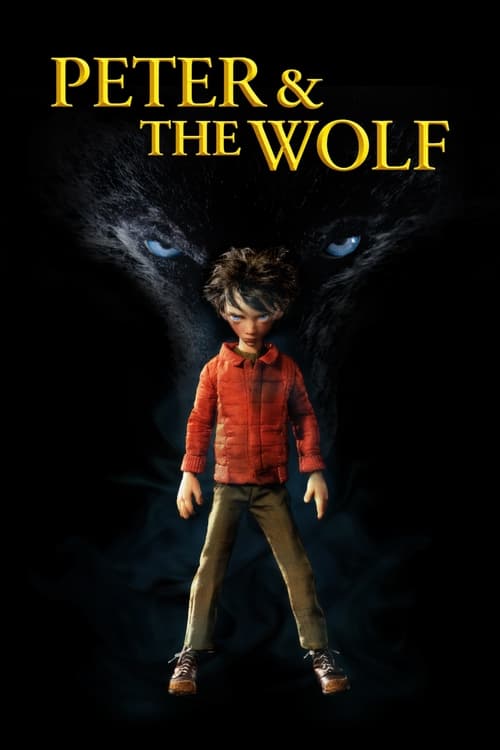
Peter & the Wolf
2006
No user ratings available yet
Representation score: 2.2 out of 10
No Poster Available
Representation Score
Fair
2003
Director
Geoff Dunbar
Runtime
58 minutes
Average Rating
No ratings yetNew Showbiz Analysis
The film functions as an allegorical character study, using the life cycle of a fox to explore survival and instinct. Its strength lies in its departure from human-centric moralities and the promotion of individual ability to act over social conformity. Because the story is centered on non-human protagonists, it lacks explicit markers of specific social identities found in human-centric dramas. The use of animal allegory creates a neutral space for identity, but it also limits overt representation of specific social identities. Ultimately, the work offers a subtle critique of domestic and institutional control by prioritizing the raw reality of the natural world over civilized social orders.
Category Breakdown
The story focuses on biological imperatives and animal instincts rather than human social constructs. There is no explicit mention of non-straight or non-cisgender identities.
The film centers on a female protagonist named Sharp-Ears, whose role is defined by survival and independence. She avoids traditional domestic roles, while male characters' roles remain undefined.
Using animal characters, the film bypasses human racial hierarchies. However, there is no diverse human cast or specific subversions of casting, resulting in limited representation.
The narrative prioritizes the chaotic laws of nature over human ethical or religious structures. It avoids promoting singular moralities or Western institutional sanctity.
The narrative does not provide any information about the portrayal of physical or neurodivergent disabilities.
Present on Screen
Limited or Absent
Official Synopsis
An adaptation of Leos Janacek's opera Prihody Lisky Bystrousky (1925), based on the novel Liska Bystrouska by Rudolf Tesnohlidek. It follows the life of Sharp-Ears, a fox who is captured by a forester as a cub and raised in his home prior to escaping back into the forest.
2006
2007
2019
2018
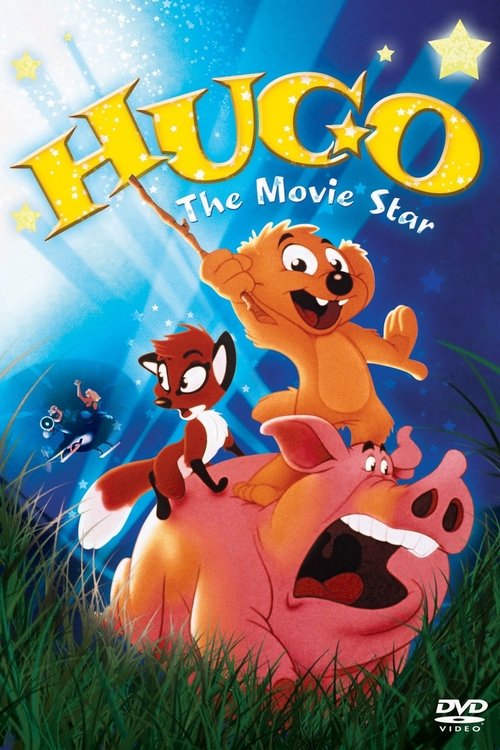
1996
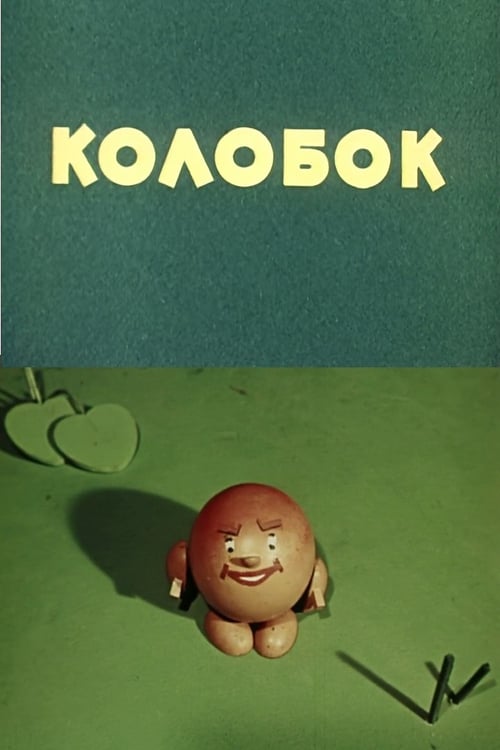
1956
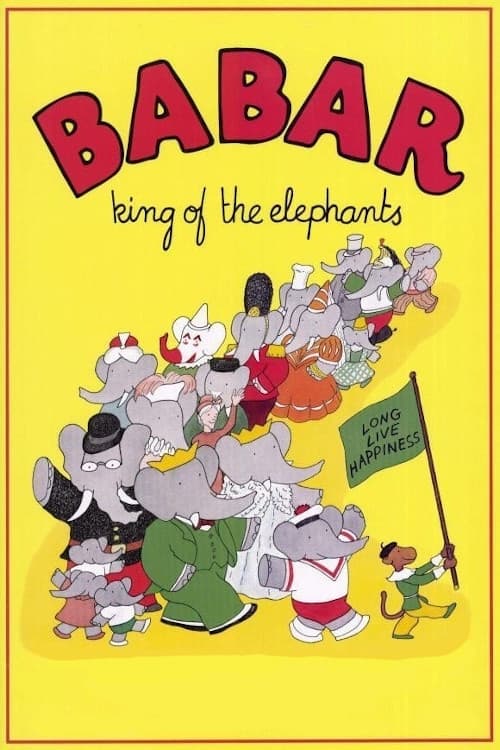
1999
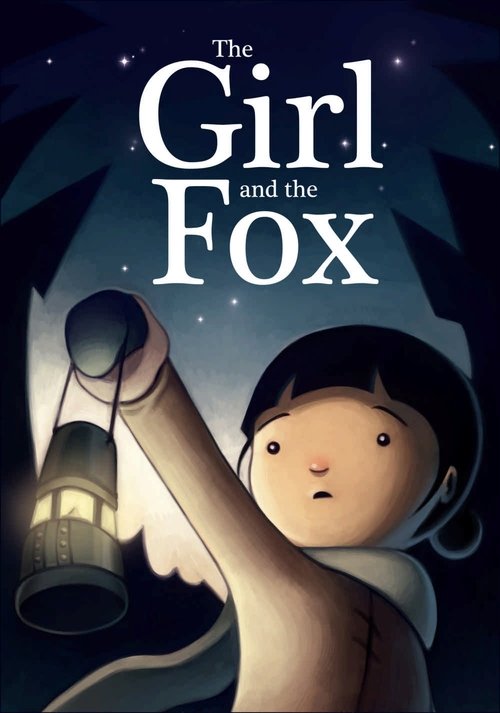
2011
No reviews yet. Be the first to share your thoughts on this movie!
Use the rating form above to leave a star rating and optional review.