Dos esposas en mi cama
1970
No user ratings available yet
Representation score: 2.0 out of 10
Representation Score
Limited
1949
Director
Julián Soler
Runtime
100 minutes
Average Rating
No ratings yetNew Showbiz Analysis
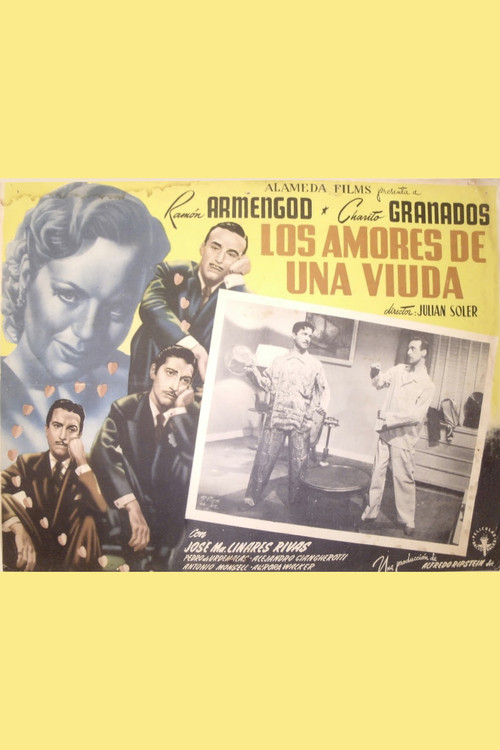
Los amores de una viuda is a product of the Mexican Golden Age that upholds established social hierarchies. The story uses a classic melodramatic premise to explore domestic complications and restore marital order. The film functions as a traditional period piece, adhering to the mid-century studio system's tendency to reinforce rather than challenge existing societal norms. Ultimately, the work reflects the social and moral structures of 1949, focusing on the sanctity of the family unit and traditional romantic clichés.
Category Breakdown
The film focuses on traditional heterosexual relationships and courtship. There is no representation of non-binary gender identities or critiques of the assumption that everyone is straight.
The plot centers on a woman's role within her family and society. Her actions are likely influenced by her position within patriarchal structures.
The cast likely reflects the homogeneous population typical of the Mexican Golden Age era. There is no effort to include diverse ethnic backgrounds.
The narrative emphasizes traditional social institutions such as marriage and family. It highlights the importance of legal and social legitimacy in personal and domestic life.
There is no evidence of characters with physical or neurodevelopmental disabilities in the film.
Present on Screen
Limited or Absent
Official Synopsis
A widow remarries... and then her missing-presumed-dead first husband reappears.
1970
1976
1951

1963
1958

1940
1944
1963
No reviews yet. Be the first to share your thoughts on this movie!
Use the rating form above to leave a star rating and optional review.