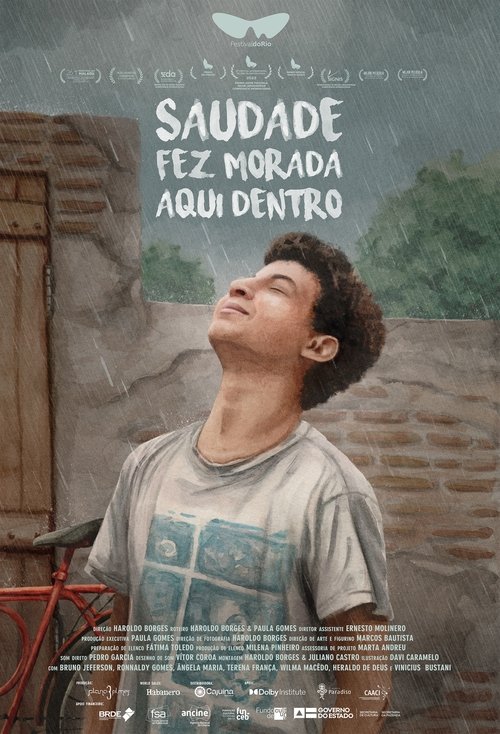
Bittersweet Rain
2023
No user ratings available yet
Representation score: 7.9 out of 10
No Poster Available
Representation Score
Fair
2012
TV-14Director
Maru Solores
Runtime
90 minutes
Average Rating
No ratings yetNew Showbiz Analysis
The film excels in its central focus on disability, offering a nuanced look at a protagonist's life shaped by visual impairment. This avoids the common pitfall of using disability as a mere plot device. However, the film's diversity profile is limited by a lack of information regarding racial, ethnic, and LGBTQ+ representation. The narrative's scope appears narrow, focusing primarily on the protagonist's internal and familial struggles. Ultimately, while the film succeeds in centering a character with a disability, it remains a moderate entry due to the absence of broader multi-layered elements.
Category Breakdown
The film does not explicitly confirm any LGBTQ+ characters or non-straight identities. The narrative focuses on adolescence and identity formation without clear queer themes.
The female protagonist, Ane, navigates the complexities of adolescence. The story potentially challenges traditional family hierarchies by prioritizing her role over parental overprotection.
There is no information available regarding the racial or ethnic composition of the cast or the setting. Consequently, no assessment can be made.
The film explores the tension between individual autonomy and restrictive family structures. This framing offers a critique of traditional family hierarchies.
The narrative centers on a protagonist with a visual impairment. It explores the sensory experience and the fear of losing sight, moving beyond superficial clichés.
Present on Screen
Limited or Absent
Official Synopsis
It tells the story of Ane, who with a visual impairment and fully transition to adolescence, must face the peer rejection, overprotection of parents and, above all, the possibility of not seeing.
2023

2017

2013

2019
2009

2016

2004

2010
No reviews yet. Be the first to share your thoughts on this movie!
Use the rating form above to leave a star rating and optional review.