
Seven Songs from the Tundra
2000
No user ratings available yet
Representation score: 6.0 out of 10
Representation Score
Fair
1993
Director
Knut Erik Jensen
Runtime
89 minutes
Average Rating
No ratings yetNew Showbiz Analysis
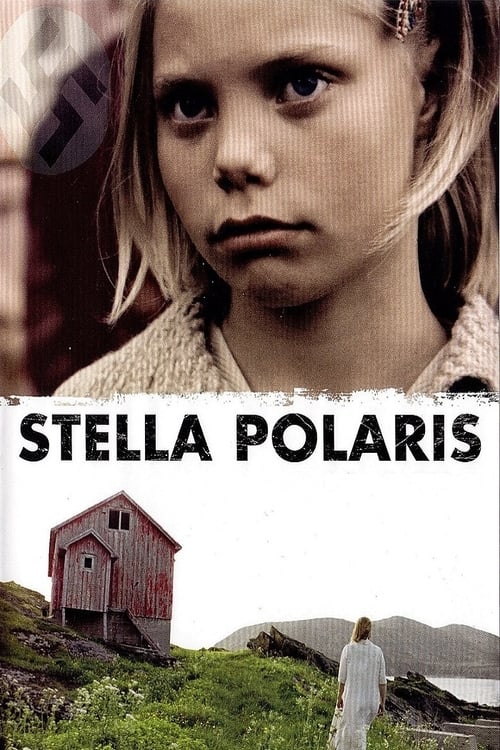
Stella Polaris succeeds in presenting a female perspective within a historical drama, using a woman's memories to explore the changes in a northern Norwegian fishing village. This approach subverts typical male-centric historical narratives. However, the film remains limited in its explicit representation of identity. While it explores cultural loss and the passage of time, it lacks visible queer characters taking control of their stories and provides no specific details regarding ethnic diversity or indigenous integration. Ultimately, the film is a poetic, character-driven study of cultural shifts. It finds its strength in its unconventional dramaturgy and its melancholic critique of modern societal progress.
Category Breakdown
The film focuses on a romantic relationship between the female protagonist and a childhood friend. There is no clear indication of non-straight or non-cisgender identities or characters taking control of their own stories.
The movie challenges the usual male perspective by telling the story through a woman's point of view. The female lead plays a key role in driving the story forward.
Set in Norway's Finnmark region, the film highlights the intersection of Norwegian and Sámi cultures. However, there is no specific evidence of diverse casting or the inclusion of indigenous viewpoints.
The film serves as a tribute to a past way of life, mourning the loss of traditions. It avoids conventional Western storytelling in favor of a more personal, fluid narrative.
The provided material does not mention any characters dealing with physical, neurological, or mental health issues.
Present on Screen
Limited or Absent
Official Synopsis
Knut Erik Jensen's personal visual poem, an Elegy for a culture that no longer exists. Stella Polaris is a personal document in fiction form of a bygone era and culture in the northernmost part of Norway. At the same time described the current Finnmark in the scene from our own time. The story is narrated by a woman's eyes, both as children in the busy fishing village and as an adult in the present. She returns to the birthplace and remember how life was before the fishing village was closed. Love story between her and her childhood friend is central to the action. 'Stella Polaris' is in the form of associative told with an unconventional dramaturgy.
2000
2015
1978
1983
2008
2003

2003

2023
No reviews yet. Be the first to share your thoughts on this movie!
Use the rating form above to leave a star rating and optional review.