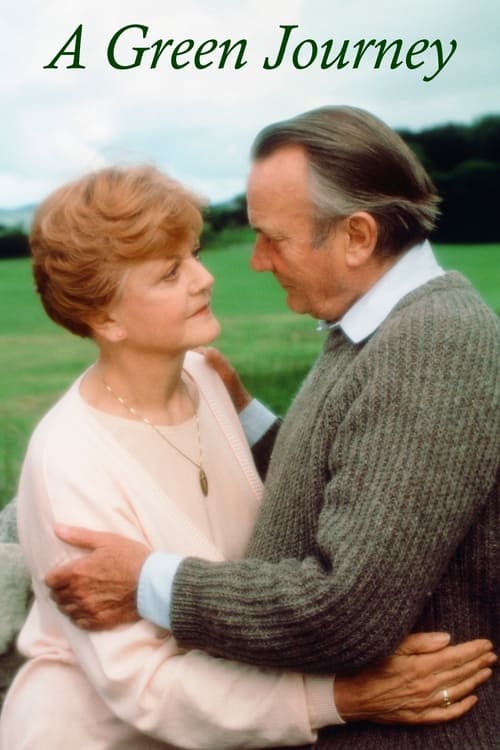
The Love She Sought
1990
No user ratings available yet
Representation score: 2.6 out of 10

Representation Score
Minimal
1999
Director
Stanley Donen
Runtime
100 minutes
Average Rating
No ratings yetNew Showbiz Analysis
Love Letters is a traditional period drama that emphasizes classic romantic clichés over challenging social hierarchies. The narrative centers on personal sentiment and historical realism, avoiding multi-layered themes. The film maintains a narrow social scope, focusing on a white, upper-middle-class Western experience. While this provides historical authenticity, it lacks engagement with diverse identities or systemic critiques. The female lead drives the plot with her investigative skills, but the overall story remains firmly within conventional storytelling.
Category Breakdown
The film focuses solely on heterosexual relationships, with no representation of LGBTQ+ identities or non-traditional gender roles.
The female protagonist leads the story through her quest for truth, but the film upholds traditional gender roles without questioning them.
The cast is predominantly white, reflecting a homogeneous European setting and lacking diverse racial and ethnic representation.
The story centers on an upper-middle-class Western lifestyle, celebrating classical romantic ideals without offering any critique of social structures.
The film does not include any characters with visible or invisible disabilities, showing a standard range of physical and cognitive abilities.
Present on Screen
Limited or Absent
Official Synopsis
An ambitious U.S. Senator reflects back on his life after the death of a woman whom he loved and kept in contact with only through correspondence.
1990
1995
2016
1987
2007
2005

1997
2012
No reviews yet. Be the first to share your thoughts on this movie!
Use the rating form above to leave a star rating and optional review.