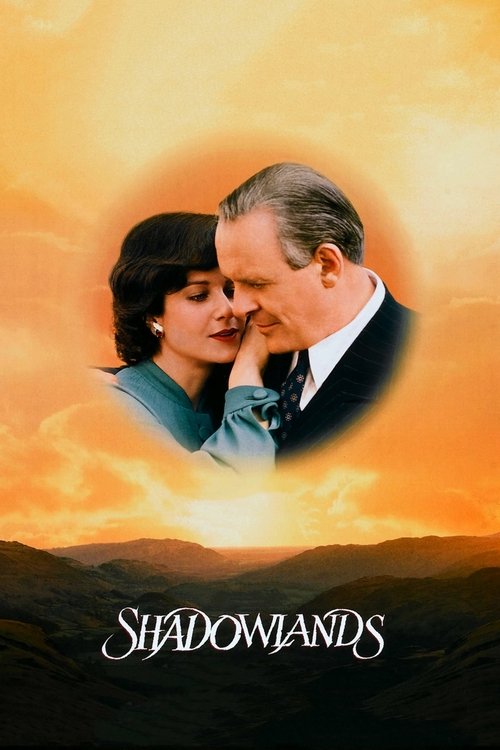
Shadowlands
1993
No user ratings available yet
Representation score: 1.1 out of 10
Representation Score
Minimal
1987
PGDirector
David Hugh Jones
Runtime
100 minutes
Average Rating
No ratings yetNew Showbiz Analysis
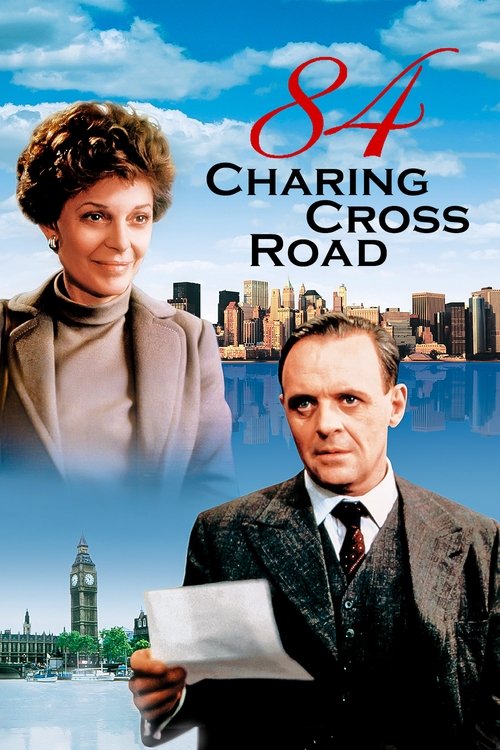
84 Charing Cross Road is a character-driven period drama that emphasizes human connection and literary nuance. It portrays a sophisticated, non-traditional platonic relationship between genders, moving beyond simple romantic clichés to focus on intellectual companionship. However, the film operates within a very narrow demographic framework. It presents a localized, Eurocentric view of the literary world that lacks racial diversity and fails to address the complexities of the era. Ultimately, the film prioritizes sentimentality and the continuity of Western cultural heritage over social disruption or systemic critique, reinforcing established demographic norms.
Category Breakdown
The film does not feature any LGBTQ+ characters or explore non-straight identities. The story centers on a close, platonic friendship between two individuals.
Helene Draper plays a significant role in driving the narrative through her proactive pursuit of literature. The film highlights her independence and intellect rather than traditional gender roles.
The cast is predominantly white and Anglo-Saxon, with little engagement with racial diversity or the complexities of the mid-20th century.
The story celebrates traditional Western intellectual pursuits and the preservation of classical literature. It upholds the stability of established institutions such as the antiquarian book trade.
The film does not depict any physical or mental disabilities. The narrative focuses on the cognitive and emotional bond between the two main characters.
Present on Screen
Limited or Absent
Official Synopsis
When a humorous script-reader in her New York apartment sees an ad in the Saturday Review of Literature for a bookstore in London that does mail order, she begins a very special correspondence and friendship with Frank Doel, the bookseller who works at Marks & Co., 84 Charing Cross Road.
1993
1990
1945
1940
1986

1973

2021
1955
No reviews yet. Be the first to share your thoughts on this movie!
Use the rating form above to leave a star rating and optional review.