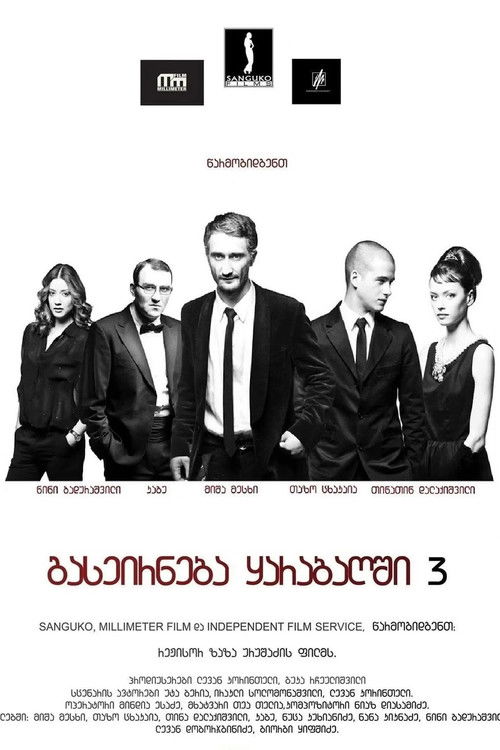
A Trip to Karabakh 3 Last Trip
2012
No user ratings available yet
Representation score: 6.3 out of 10
Representation Score
Excellent
2005
Director
Isa Qosja
Runtime
107 minutes
Average Rating
No ratings yetNew Showbiz Analysis
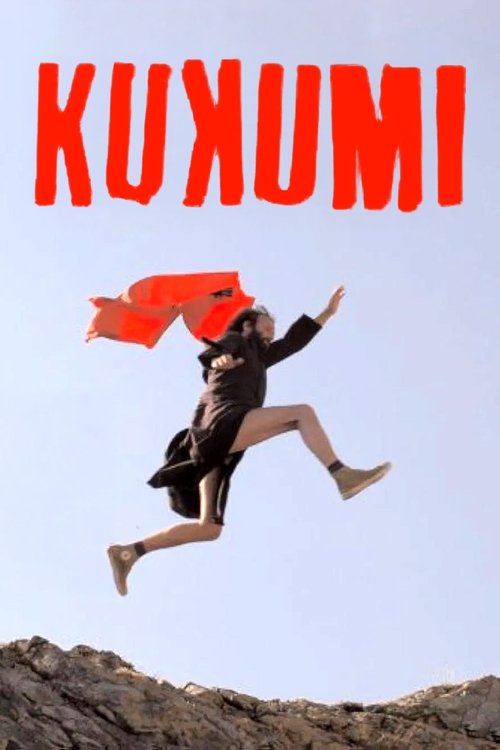
Isa Qosja’s film is a deep examination of societal structures, using a post-NATO Kosovo setting to explore the tension between institutional control and personal freedom. By focusing on characters typically sidelined, the film challenges established power hierarchies. The narrative stands out through its intentional focus on characters with intellectual disabilities, granting them significant roles and complex inner lives to critique the concept of freedom. While the film shines in its cultural and disability critiques, it remains less direct in addressing specific LGBTQ+ identities and gender dynamics. Overall, it is a powerful work that questions modern political systems and their impact on individuals.
Category Breakdown
The film hints at a space for non-straight relationships by rejecting societal norms, creating room for queer subtext without explicitly naming identities.
The story challenges traditional male dominance by focusing on a trio of central characters rather than a single leader, giving equal weight to Mara and others.
By featuring a Kosovar cast in a post-conflict setting, the film steers clear of Western-centric views, offering a non-Anglo-Saxon perspective on ability to act and self-determination.
The film critiques Western intervention by emphasizing the subjective morality of the characters over external political structures, highlighting the internal struggles of the inmates.
Characters with intellectual disabilities play key roles in driving the plot, showcasing complex internal lives and dreams while avoiding tragic stereotypes to critique the neurotypical world's definition of order.
Present on Screen
Limited or Absent
Official Synopsis
Story happens in the first days after NATO troops enter Kosova. After the signing of the military agreement in Kumanovo, in the house of the retarded, the guards and employees leave their places and flee. Inmates are all retarded but they have a special philosophy of life, they have their wishes and their dreams. Being free gives them a chance to make dreams come true, but they are confronted with a reality and environment, which in one way or another is very different. From the moment of getting out the fences, they are conflicted with people that call themselves free. Gradually this conflict roughens and with it degenerates the meaning of freedom. There are three main characters, Kukum, Mara and Hasan.
2012
1971
1998
2006
2008
2015
2005
2005
No reviews yet. Be the first to share your thoughts on this movie!
Use the rating form above to leave a star rating and optional review.