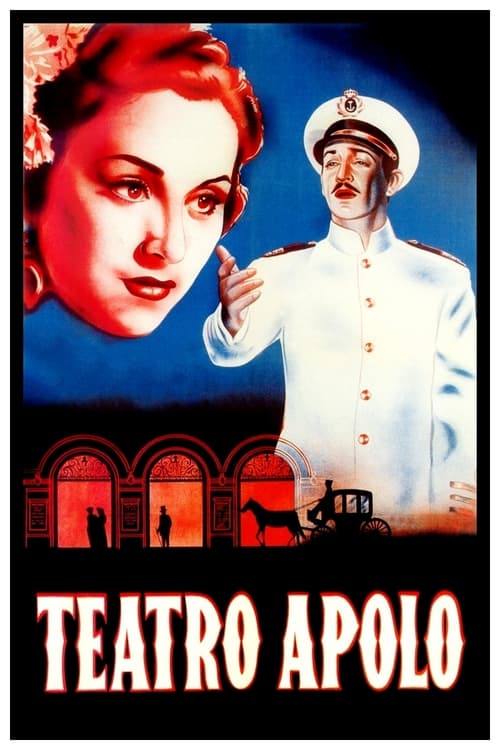
Teatro Apolo
1950
No user ratings available yet
Representation score: 1.9 out of 10
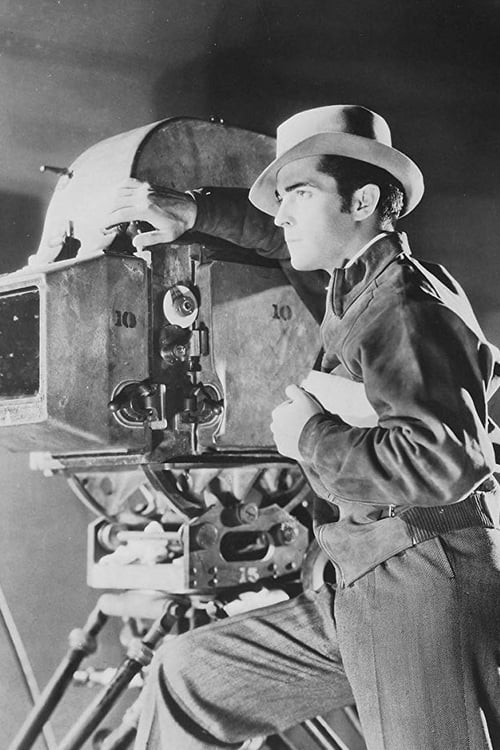
Representation Score
Fair
1936
ApprovedDirector
Ramon Novarro
Runtime
89 minutes
Average Rating
No ratings yetNew Showbiz Analysis
Contra la Corriente stands as a significant act of creative reclamation. By shifting from a studio performer to an independent producer, Ramón Novarro bypassed traditional gatekeepers to center Latin American identity through his own production company. The film's strength lies in its ethnic ability to act, using a Spanish-speaking crew and cast to challenge the Anglo-centric Hollywood model of 1936. The inclusion of real-life Olympic athlete José A. Caraballo adds a layer of authentic athletic merit to the narrative. However, the film remains bound by the era's standard romantic archetypes. The narrative focuses on conventional courtship and class dynamics, offering little evidence of challenging gender roles or exploring non-straight-centered identities.
Category Breakdown
The film does not include any explicit LGBTQ+ characters or stories that challenge the assumption that everyone is straight or cisgender. The plot revolves around a traditional romantic relationship based on class differences.
The story uses traditional romantic clichés involving a wealthy woman and a working-class man. It is unclear whether the female lead challenges the gender hierarchies of the 1930s.
This production breaks Hollywood norms by focusing on Mexican and Argentinian talent. Using a Spanish-speaking crew enhances the authenticity of ethnic identity.
The film explores class tensions between wealth and labor. Creating an independent Spanish-language film in Los Angeles challenges the era's English-language cultural dominance.
There are no visible or invisible disabilities depicted in the main characters.
Present on Screen
Limited or Absent
Official Synopsis
In 1935, former Hollywood silent film star Ramón Novarro (of Durango, Mexico) joined the ranks of adventurous Spanish-speaking, risk-taking producers by writing, directing and producing through his R.N.S. Productions this romantic comedy set in Los Angeles. The film, shot in collaboration with members of his extensive family—brothers Antonio (assistant director) and Eduardo Samaniego (art director), sister Carmen Samaniego (actress), and uncle Ramón Guerrero (actor)—centers on the romance of the rich Rosalía (Luana Alcañiz) and the poor Alberto, a swimmer played by real life Argentinian swimmer José A. Caraballo, who, like the character in the film, had competed in the 1932 Los Angeles Summer Olympic Games.
1950
1927
1937
1932
1934
1928
1950
1938
No reviews yet. Be the first to share your thoughts on this movie!
Use the rating form above to leave a star rating and optional review.