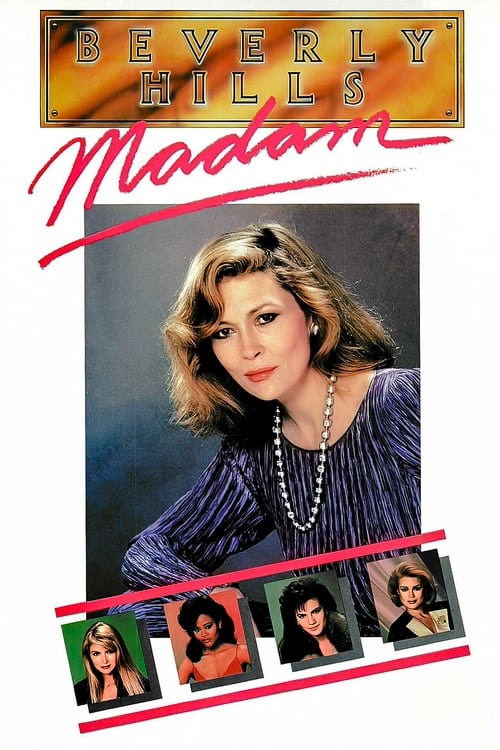
Beverly Hills Madam
1986
No user ratings available yet
Representation score: 4.5 out of 10
Representation Score
Minimal
1982
Director
Robert L. Collins
Runtime
90 minutes
Average Rating
No ratings yetNew Showbiz Analysis
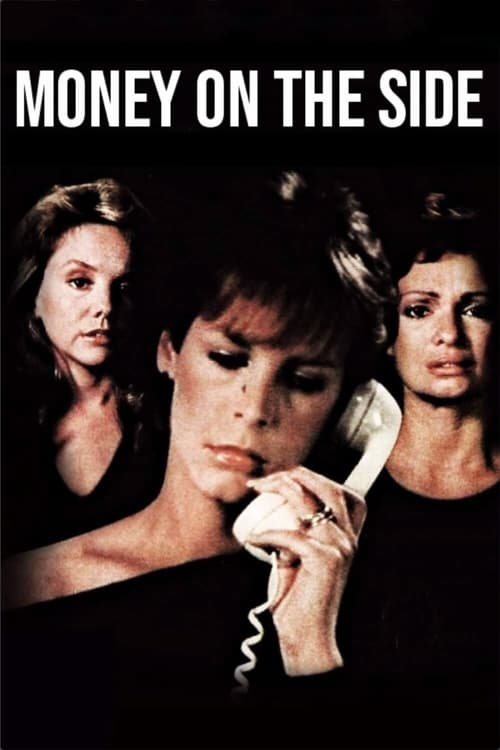
Money on the Side deconstructs the archetype of the middle-class housewife, focusing on women facing financial hardships. While it lacks depth in terms of race or LGBTQ+ identities, it provides a nuanced, secular perspective on economic survival. The film critiques Western economic institutions and highlights the forced deconstruction of traditional social roles.
Category Breakdown
The film focuses on heterosexual relationships and does not include same-sex intimacy or non-cisgender identities.
Women play key roles in high-stakes situations, challenging the stereotype of passive homemakers. They navigate economic struggles actively.
Specific casting details are unconfirmed. The narrative does not indicate a focus on racial diversity or the subversion of Anglo-Saxon norms.
The film presents a secular view of economic survival, avoiding traditional moral condemnation of sex work.
There are no characters with physical or neurodevelopmental disabilities in the film.
Present on Screen
Limited or Absent
Official Synopsis
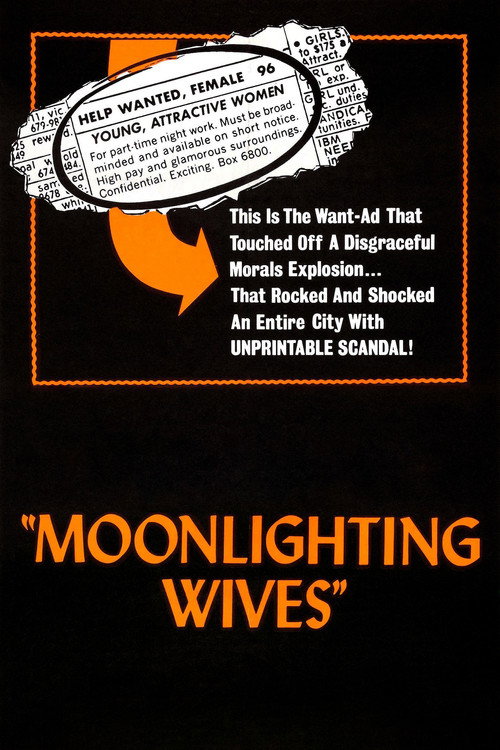
Three middle-class housewives who are having money problems join a prostitution ring.
1986

2021
2004
1997

2019
2016
1966

1987
No reviews yet. Be the first to share your thoughts on this movie!
Use the rating form above to leave a star rating and optional review.