L.A. Johns
1997
No user ratings available yet
Representation score: 4.1 out of 10
Representation Score
Fair
1986
PG-13Director
Harvey Hart
Runtime
97 minutes
Average Rating
No ratings yetNew Showbiz Analysis
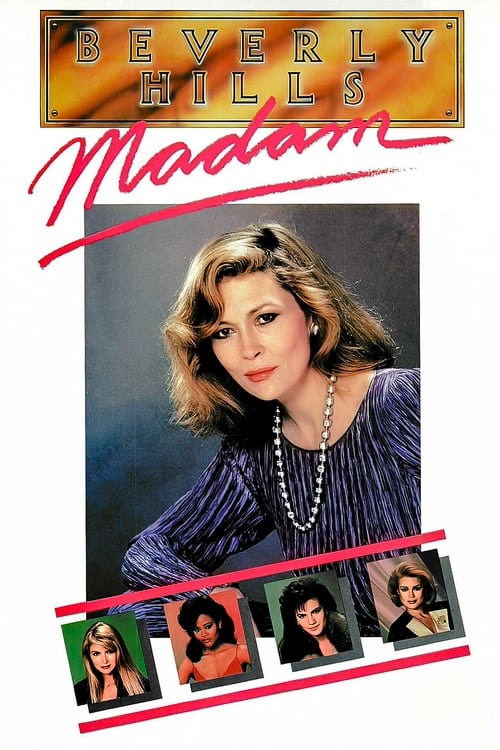
Beverly Hills Madam functions as a social drama that critiques class hierarchies and the transactional nature of high-society interactions. It places the audience within a underrepresented ecosystem to explore situational ethics. While the film lacks modern multi-layered markers like LGBTQ+ or high racial diversity, it offers progressive value through its critique of capitalist structures. The focus remains on female-led social systems and the emptiness of wealth. Ultimately, the film deconstructs the idealized American Dream by highlighting the emotional voids found within high-capitalist environments.
Category Breakdown
The film focuses on traditional heterosexual relationships, particularly the transactional relationship between Julie and a wealthy son. There are no visible queer identities or narratives centered around LGBTQ+ individuals.
Lil Hutton serves as a strong matriarchal figure, challenging traditional submissive female roles through her economic independence. However, the protagonist's journey ultimately returns to a state of emotional vulnerability.
The narrative emphasizes socioeconomic stratification and class dynamics in Beverly Hills. There is a lack of specific ethnic or racial representation mentioned in the provided details.
The story critiques the decadence of capitalism and the moral decay of the upper class. It explores a subjective morality where characters act based on economic necessity rather than religious doctrine.
The film does not provide any information about the portrayal of physical or neurodivergent disabilities.
Present on Screen
Limited or Absent
Official Synopsis
A bordello catering to rich and wealthy clients, run by Lil Hutton experiences a series of crises as one girl ends up pregnant, and another dead. As a subplot, a young woman, Julie Taylor, makes a trip to LA to surprise a friend, but never finds her. Julie is mugged, and seeks help from Lil Hutton. She sees how much the prostitutes are making, and is tempted into the lifestyle. On her first "job" is hired by a rich father for his 18-year old virgin son as a birthday gift, and they fall in love. But the relationship comes to a quick end as soon as the son learns she is a "whore"; Julie breaks down and runs off after realizing prostitution is a cold and loveless occupation that cannot fulfill her emotional emptiness.
1997

1978
1982
1980

2017

1979
2004

1987
No reviews yet. Be the first to share your thoughts on this movie!
Use the rating form above to leave a star rating and optional review.