
Saints Rest
2018
No user ratings available yet
Representation score: 2.0 out of 10
Representation Score
Fair
2013
Not RatedDirector
Destin Daniel Cretton
Runtime
90 minutes
Average Rating
No ratings yetNew Showbiz Analysis
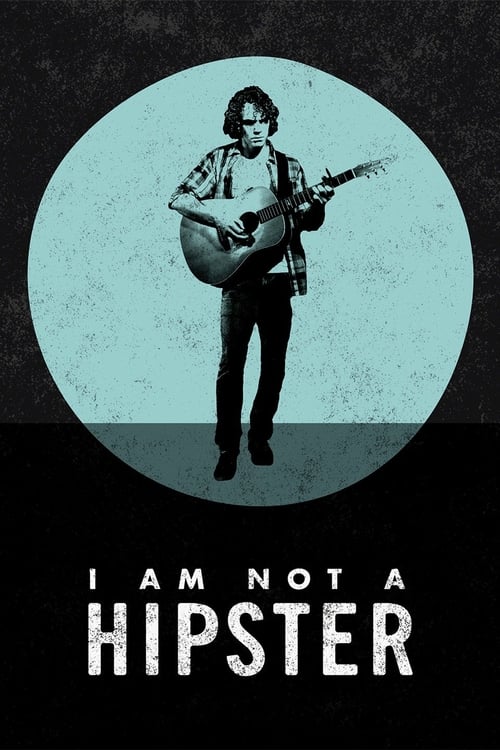
I Am Not a Hipster is a character-driven study that prioritizes individual existentialism over systemic or identity-based narrative structures. While it offers a nuanced look at emotional stuntedness, it lacks multi-layered breadth. The film's primary strength lies in its portrayal of the protagonist as emotionally stunted and aggressive, avoiding the cliché of the stable male leader. However, the film remains demographically homogeneous, lacking intentional diversity and relying on traditional gender roles to drive the protagonist's emotional growth.
Category Breakdown
The film does not include any LGBTQ+ characters or non-straight relationships. It centers on a traditional family dynamic without any queer undertones.
Brook's aggressive and self-absorbed masculinity challenges the typical strong male leader stereotype. However, the sisters mainly serve in traditional supportive roles, providing emotional stability.
The cast is mostly white, focusing on a middle-class experience in Oakland. The film does not explore diverse casting or delve into multi-layered racial issues.
The story critiques standard productivity through the tortured artist archetype. It remains focused on personal resolution without examining systemic cultural institutions deeply.
Mental health is addressed through grief and apathy, but these traits are portrayed as personality flaws rather than a nuanced exploration of neurodivergence.
Present on Screen
Limited or Absent
Official Synopsis
Things are not looking good for Brook, a young, talented singer/songwriter who has become the clichéd tortured artist. Slow to come to terms with the death of his mother, Brook is self-absorbed, aggressive, and the major obstruction to his own career success. His isolation is lifted when his three sisters and estranged father come to spread his mother’s ashes. Brook’s loving sisters have a magical effect on his anger and apathy, suggesting there may be hope for the misanthropic musician after all.
2018

2013

2015

2022

2022
2017
2014
2019
No reviews yet. Be the first to share your thoughts on this movie!
Use the rating form above to leave a star rating and optional review.